 Features
The 2026 TWS Market — More Choice Than Ever
13 new models, ranging from HK$630 to HK$3,880, spanning both in-ear and open-ear designs — if you donʼt follow headphone news daily, picking the right one from this many options is genuinely tough.
This guide takes a different approach from the usual product roundup. We donʼt organise by brand or price tier — we organise by how you actually use your earphones. Are you a daily commuter? Do you care about sound quality and donʼt mind spending a bit more? Or are you simply curious about open-ear designs and tired of jamming things into your ears?
All 13 models below are new releases officially launched in Hong Kong during 2026, and all prices are Hong Kong suggested retail. By the time you finish reading, youʼll know exactly which one is right for you.
⚡ Quick Picks — Decide in One Minute
| 🏆 Best Overall | Sony WF-1000XM6 (HK$2,599) — Best all-round ANC + sound quality |
| 🎵 Best Sound | Noble FoKus Rex 5 (HK$3,880) — Tribrid TWS, sonic ceiling |
| 💸 Best Value | EarFun Air Pro 4+ (~HK$630) — LDAC + ANC, unmatched at this price |
| 🏃 Best for Sports | Shokz OpenFit Pro (HK$2,399) — Open-ear, 50-hour battery |
| 🍎 For iPhone Users | Samsung Buds4 Pro (HK$1,998) or Sony XM6 — still excellent over AAC |
| 🔓 Open-Ear Starter | Shokz OpenDots Air (HK$1,099) — The lowest-risk way to try open-ear |
🎯 ANC Priority: For Daily Commuters Who Need Quiet
If you use your earphones mostly on the MTR, bus, or in cafés, active noise cancellation should be your top consideration. These two 2026 flagships represent the strongest ANC technology on the market.
Sony WF-1000XM6 | HK$2,599 | Launched February 2026
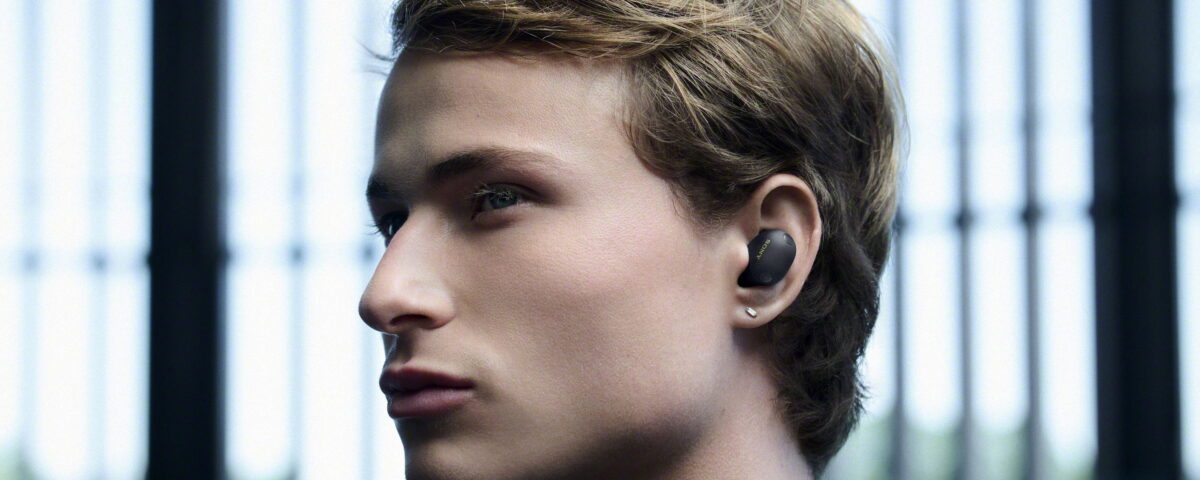
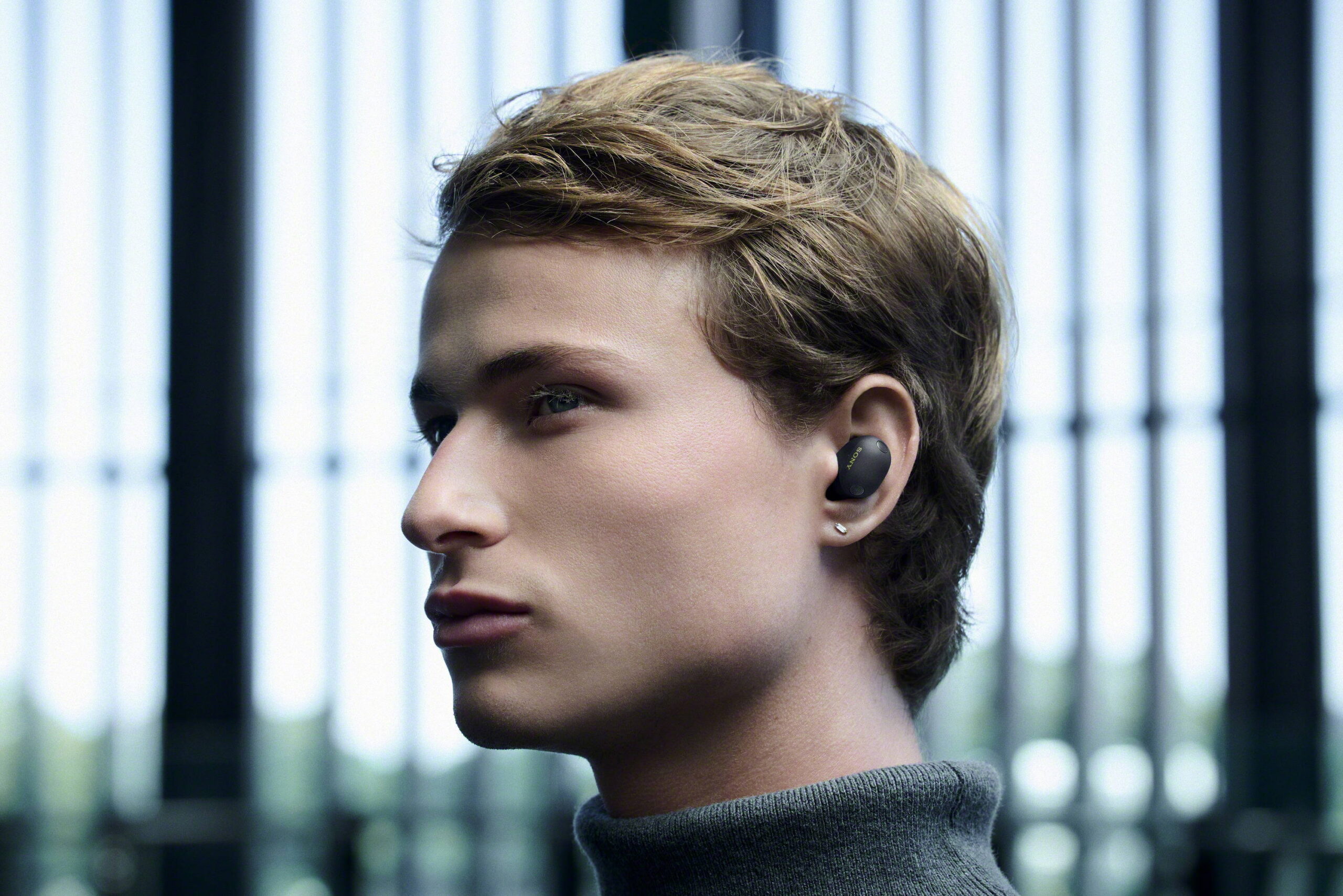
Sonyʼs latest flagship ANC true wireless earphones. The headline upgrade is the all-new QN3e AI noise-cancelling chip — Sony claims a 4× processing improvement over the previous generation, capable of identifying ambient noise types in real time and dynamically adjusting the ANC curve. On the design front, the XM6 drops the rounded shape of the XM5 in favour of a more compact oval housing, with noticeably improved fit stability.
- Driver: 8.4mm dynamic driver
- Codec: LDAC / AAC / SBC
- Battery: 8 hours (ANC on) / 12 hours (ANC off)
- Charging: Qi wireless charging, USB-C
- Calls: AI beamforming + bone-conduction sensor
✅ Great for you if…
You need the strongest ANC on the market, fly or ride the MTR frequently, and use an Android phone to take advantage of LDAC hi-res audio. iPhone users wonʼt get LDAC, but the ANC performance remains top-tier regardless.
❌ Not for you if…
You only use an iPhone (LDAC is wasted), your budget is under HK$1,500, or you need an IP water-resistance rating (the XM6 has no IP certification).
Samsung Galaxy Buds4 Pro | HK$1,998 | Launched February 2026
Samsungʼs Galaxy Buds4 Pro landed the same month, priced about HK$600 below Sony. Its standout feature is Head Gesture control — nod to answer calls, shake to reject — genuinely useful when your hands are tied. IP57 water and dust resistance is also the highest rating among flagship TWS. If you use a Samsung phone, SSC (Samsung Seamless Codec) delivers near-lossless transmission — though cross-platform users are limited to AAC. (Samsung Galaxy Buds4 Pro Review)
- Driver: 10.5mm + 6.5mm dual dynamic
- Codec: SSC / AAC / SBC
- Battery: 7 hours (ANC on)
- Water resistance: IP57
- Highlights: Head Gesture control, 360 Spatial Audio
✅ Great for you if…
You use a Samsung phone and want the best ecosystem integration, need IP57 water resistance (for workouts or outdoor use). Head Gesture is a real daily bonus — not a gimmick — for those who take lots of calls or drive frequently.
❌ Not for you if…
You donʼt use a Samsung phone (SSC codec and features are locked to the ecosystem), or you demand the absolute best ANC (the Sony XM6 still leads here).
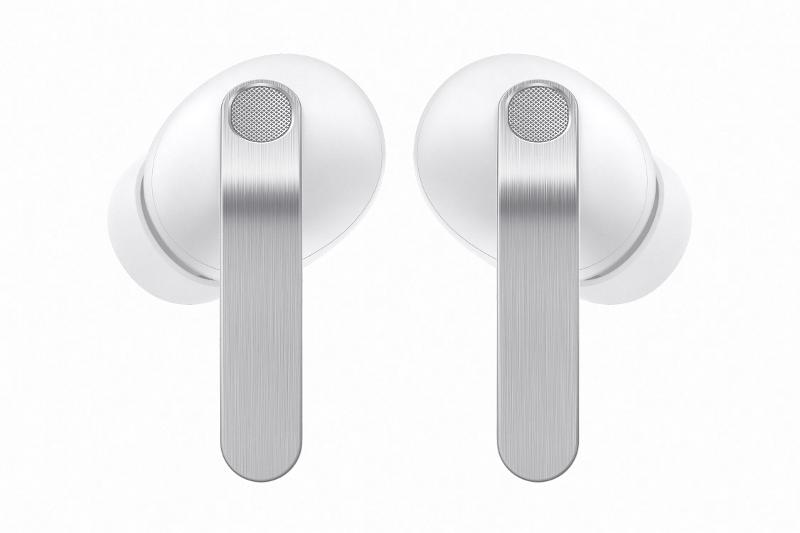
🔀 Sony vs Samsung: Which One?
This choice is directly tied to the phone you use. Android users: the Sony XM6 is the most complete, cross-platform option. Samsung phone users: the Buds4 Proʼs advantages are clear — SSC codec plus Head Gesture are genuine daily upgrades, not gimmicks. iPhone users canʼt fully unlock either, but Sonyʼs ANC still has a clear edge.
🔊 Sound Quality First: When You Refuse to Compromise on Sound
Not everyone needs class-leading ANC. If sound quality matters far more to you than noise cancellation — if what you want is the best sonic performance TWS can offer — these three models are the ones to watch in 2026. Prices range from HK$1,388 to HK$3,880. The common thread: their driver technology and tuning philosophy go well beyond the “good enough” baseline of typical TWS.
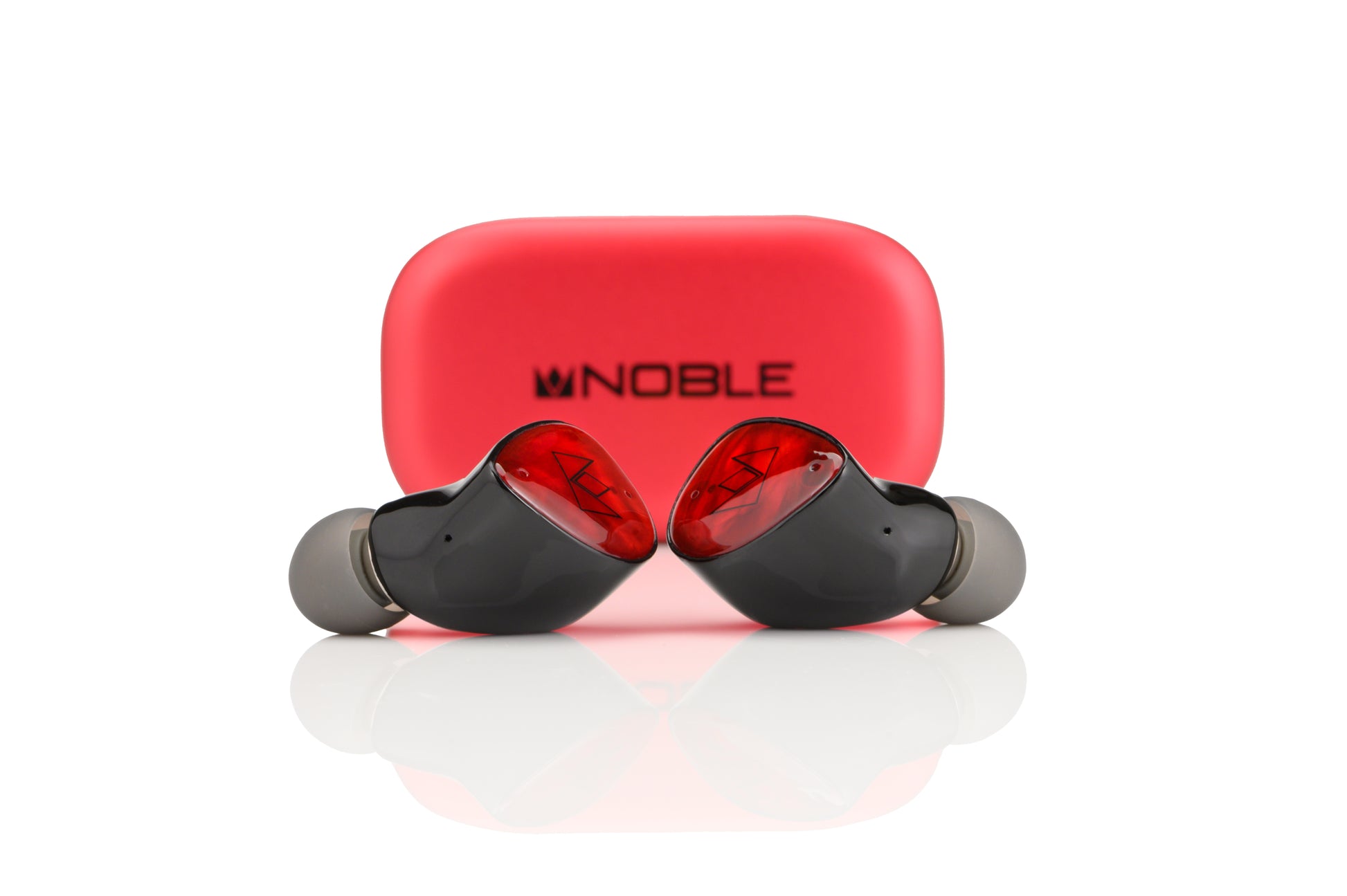
Noble FoKus Rex 5 | HK$3,880 | Launched Early 2026
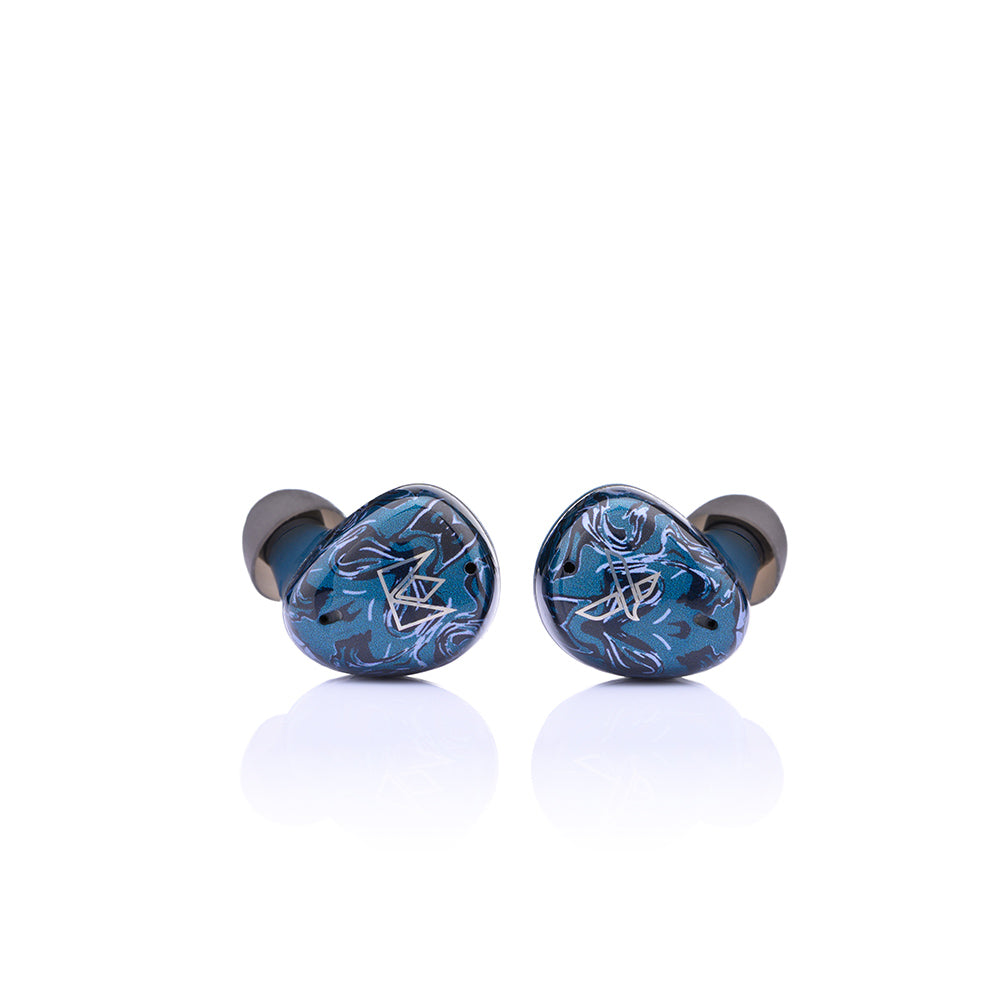
Noble has packed a tribrid driver configuration into a true wireless earphone — one 10mm dynamic driver, one balanced armature, and one planar magnetic driver. This is a setup youʼd expect in a mid-to-high-end wired IEM; in a TWS, itʼs an entirely different league. The sound signature is classic Noble: dynamic, incisive, highly resolving. A companion app offers 10-band EQ adjustment. At this price, youʼre buying the sonic ceiling of TWS — on the understanding that its ANC doesnʼt match Sonyʼs level.
- Driver: 10mm dynamic + balanced armature + planar magnetic (Tribrid)
- Codec: LDAC
- Highlights: 10-band EQ, companion app
- Positioning: The TWS sound-quality ceiling
✅ Great for you if…
You already play in the wired IEM space and your benchmark is “what would a wired IEM at this price sound like?” rather than “how much better than the average TWS is this?” Youʼre willing to accept that the ANC isnʼt top-tier in exchange for the sound.
❌ Not for you if…
You need top-tier ANC (Rex 5ʼs noise cancellation lags behind Sony), your budget is tight (HK$3,880 is a serious investment), or you prefer a compact design (the Rex 5 housing is on the larger side).
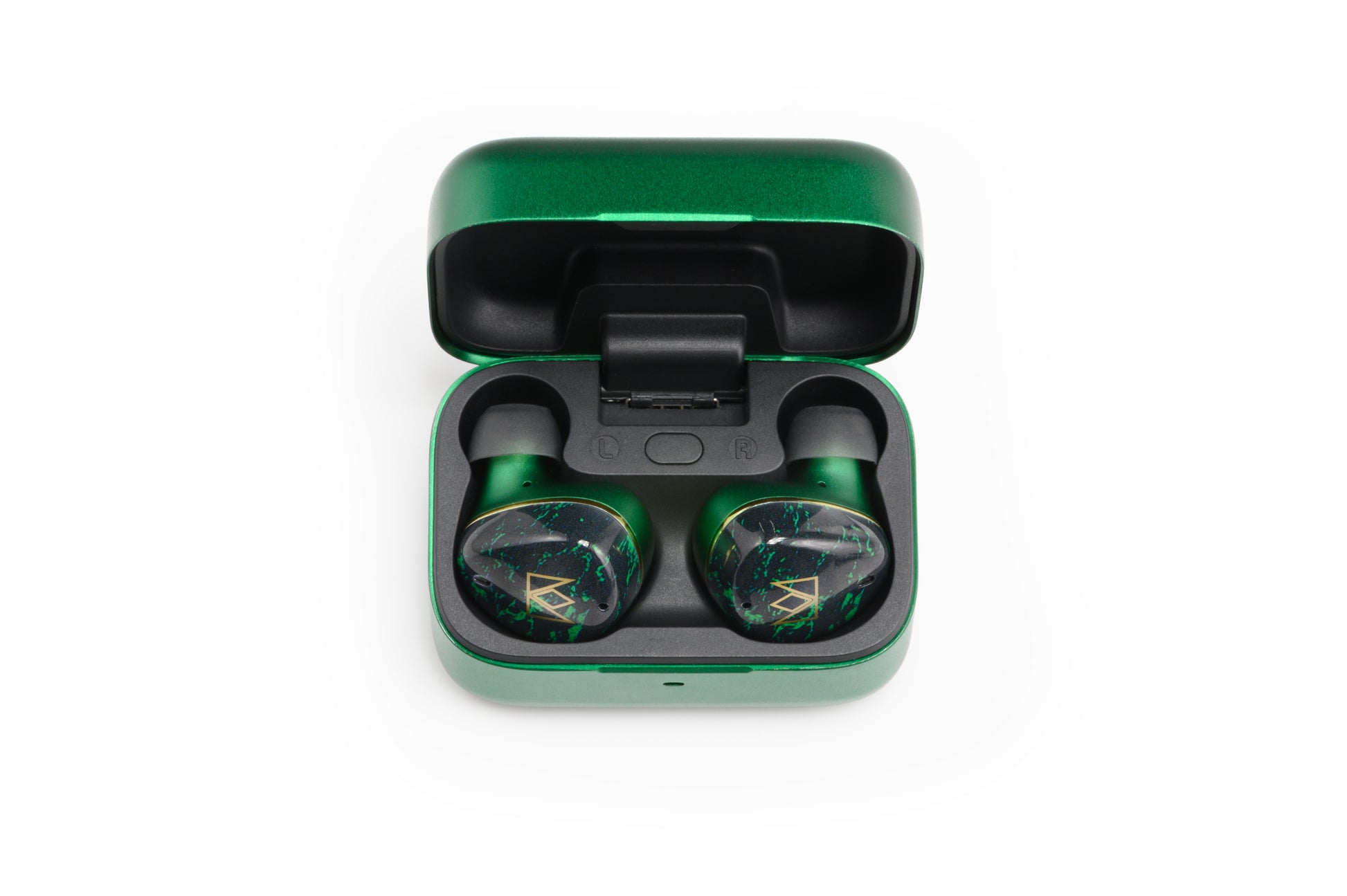
Noble FoKus Amadeus | HK$2,498
If the Rex 5 is a “throw everything in” technical showcase, the Amadeus is “do the most with the least.” A single dynamic driver configuration, but Noble emphasises its “sandwich acoustic structure” — a specially engineered housing that optimises sound transmission, achieving a wide soundstage and precise imaging without multi-driver complexity. This is a deliberate philosophical choice: rather than competing on driver count, theyʼve taken a single dynamic driver to its absolute limit. About HK$1,400 less than the Rex 5.
- Driver: 8.3mm dynamic (sandwich acoustic structure)
- Codec: LDAC
- Positioning: Single dynamic driver, pushed to its absolute limit
✅ Great for you if…
You believe “driver count isnʼt everything — tuning is what matters” and want a natural, musical sound rather than a spec-sheet warrior. Your budget is well below the Rex 5 but you still want Nobleʼs tuning expertise.
❌ Not for you if…
You want a multi-driver setup (the Amadeus is single-DD only) or need flagship-tier multi-driver sound (Amadeus supports LDAC, but focuses on single-DD purity).
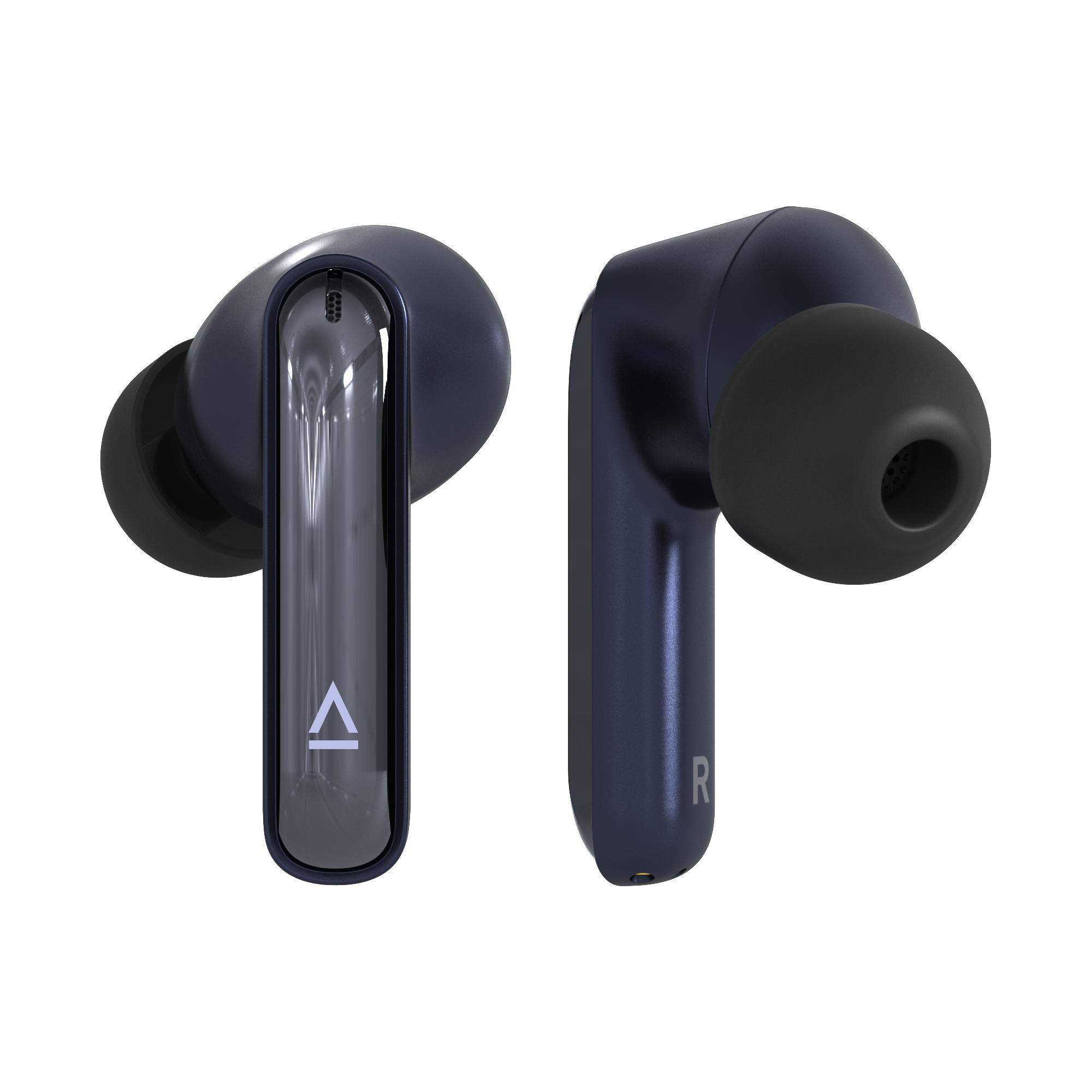
Creative Aurvana Ace 3 | HK$1,388 | Launched February 2026
One of the rare TWS models to feature xMEMS solid-state drivers. xMEMS are silicon-based micro-speakers — a fundamentally different operating principle from traditional dynamic or balanced armature drivers, offering much faster response and lower distortion. The Ace 3 also supports Snapdragon Sound and LDAC, and includes Mimi Sound Personalization — a hearing-test-based custom EQ. At HK$1,388, this is fiercely competitive in the audiophile tier.
- Driver: xMEMS solid-state driver
- Codec: Snapdragon Sound / LDAC / AAC
- Highlights: Mimi personalised hearing EQ
✅ Great for you if…
Youʼre curious about new technology and want to try xMEMS without breaking the bank. HK$1,388 for Snapdragon Sound + LDAC + xMEMS — this combo has essentially no competition in 2026.
❌ Not for you if…
Brand recognition matters to you (Creative doesnʼt have Sony/Samsung-level TWS mindshare) or you want deep, weighty bass (xMEMS bass quantity tends to be leaner).
🔀 Three Audiophile TWS: How to Choose?
The Rex 5, Amadeus, and Ace 3 represent three different value systems. The Rex 5 is “I want the best, no further questions.” The Amadeus is “I trust tuning over spec sheets.” The Ace 3 is “Iʼm interested in new tech but donʼt want to spend too much.” No right or wrong — the question is simply which kind of person you are.
🏃 The Open-Ear Wave: A Third Option for Those Who Hate Things in Their Ears
Open-ear earphones are the fastest-growing TWS category of 2026. Instead of sealing a driver into your ear canal, open-ear designs use ear-hook or ear-clip structures to position the driver near the ear — the upside is pressure-free wear and maintained environmental awareness; the trade-off is reduced bass and isolation compared to in-ear designs.
The rise of open-ear earphones reflects a need the market ignored for far too long: plenty of people simply donʼt like jamming things into their ears. This need was previously pigeonholed under the “sports earphones” label — in 2026, someone is finally taking it seriously as a mainstream product category.
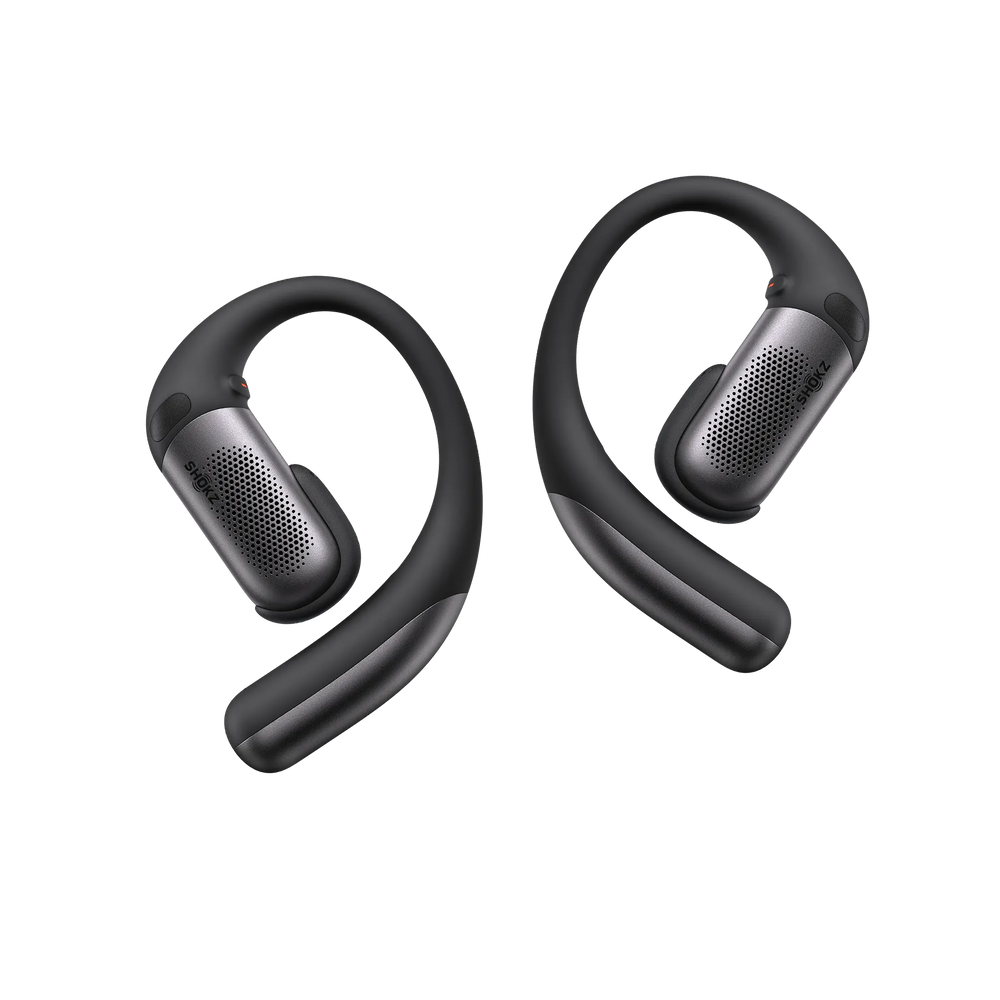
Shokz OpenFit Pro | HK$2,399 | Launched May 2026
Shokzʼs open-ear flagship, featuring a dual-driver design and, for the first time, Dolby Atmos spatial audio. The biggest breakthrough is “Open-Ear Noise Filter” technology — using algorithms to filter ambient noise, reducing background distraction without sealing the ear canal. Combined with the charging case, battery life reaches 50 hours — ideal for all-day wear. (Shokz OpenFit Pro Review)
- Driver: Dual-driver
- Highlights: Dolby Atmos, Open-Ear Noise Filter
- Battery: 50 hours (with charging case)
✅ Great for you if…
In-ear designs cause you discomfort, you need all-day wear (office / workouts), or you want to stay aware of your surroundings (so you donʼt miss MTR announcements or a colleague calling your name). Dolby Atmos for movies is a nice bonus.
❌ Not for you if…
You use earphones in noisy environments like the MTR or bus (open-ear isolation is limited), or you chase audiophile-grade sound quality (open-ear bass and density canʼt match in-ear models at the same price).
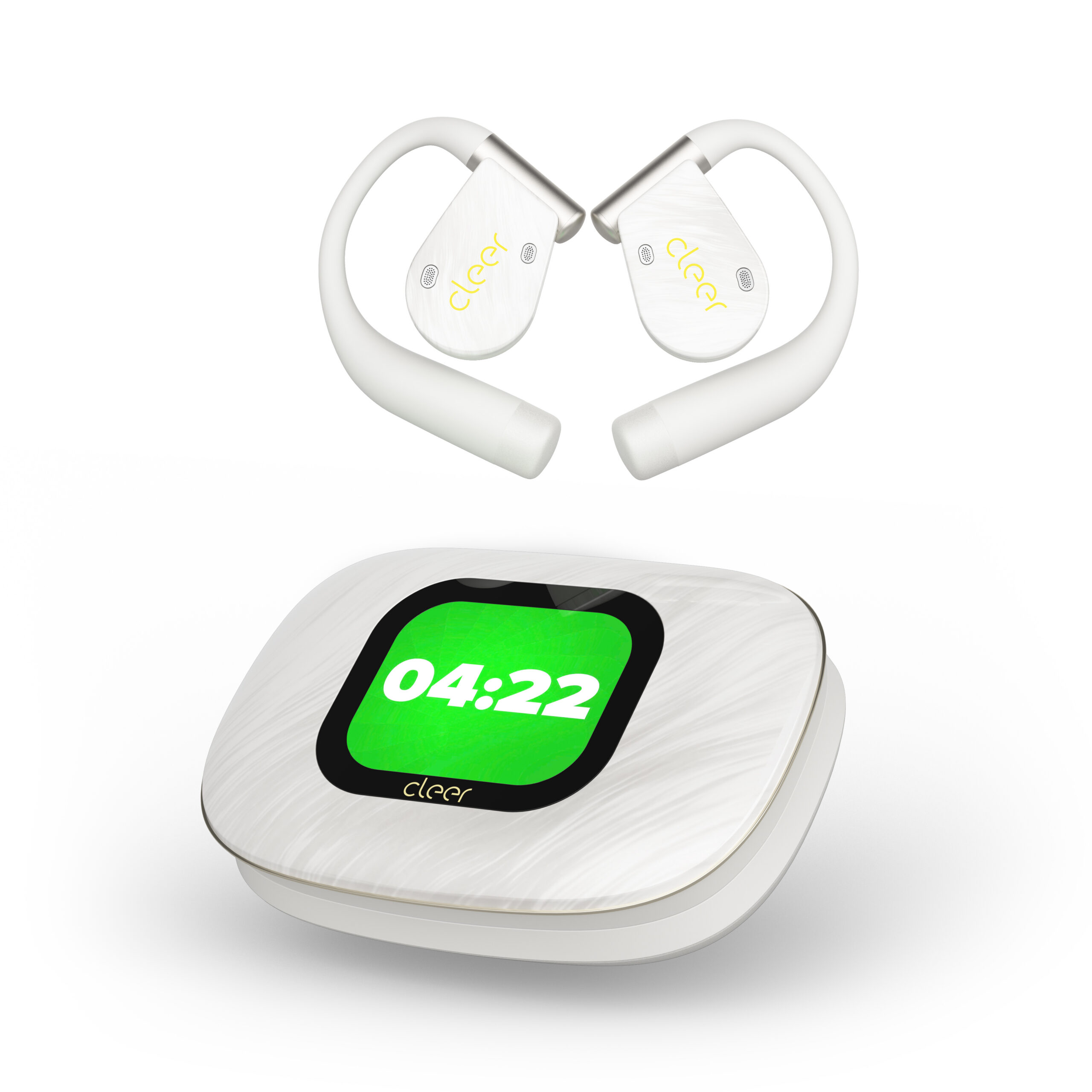
Cleer ARC 6 Music Pro | HK$1,880 | Launched August 2026
The latest in Cleerʼs ARC series, featuring a flagship-grade magnesium alloy diaphragm with dual certification from Dolby Atmos and THX Spatial Audio. Snapdragon Sound enables lossless transmission, putting sound quality in the top tier of open-ear models. Itʼs worth noting Cleerʼs choice of magnesium alloy over the more common beryllium-coated or graphene diaphragms — this material rebounds faster, benefiting transient response, though itʼs also harder to tune well. Launched during the 2026 Hong Kong High-End Audio Visual Show.
- Driver: Magnesium alloy diaphragm
- Codec: Snapdragon Sound
- Certifications: Dolby Atmos + THX Spatial Audio
✅ Great for you if…
You care about sound quality but want to try open-ear — the Cleer ARC 6 is currently the closest open-ear gets to “hi-fi,” and Snapdragon Sound lossless transmission is a clear step above typical AAC open-ear models.
❌ Not for you if…
You need ANC active noise cancellation (the ARC 6 has none), or brand recognition in Hong Kong matters to you (audition channels are limited).
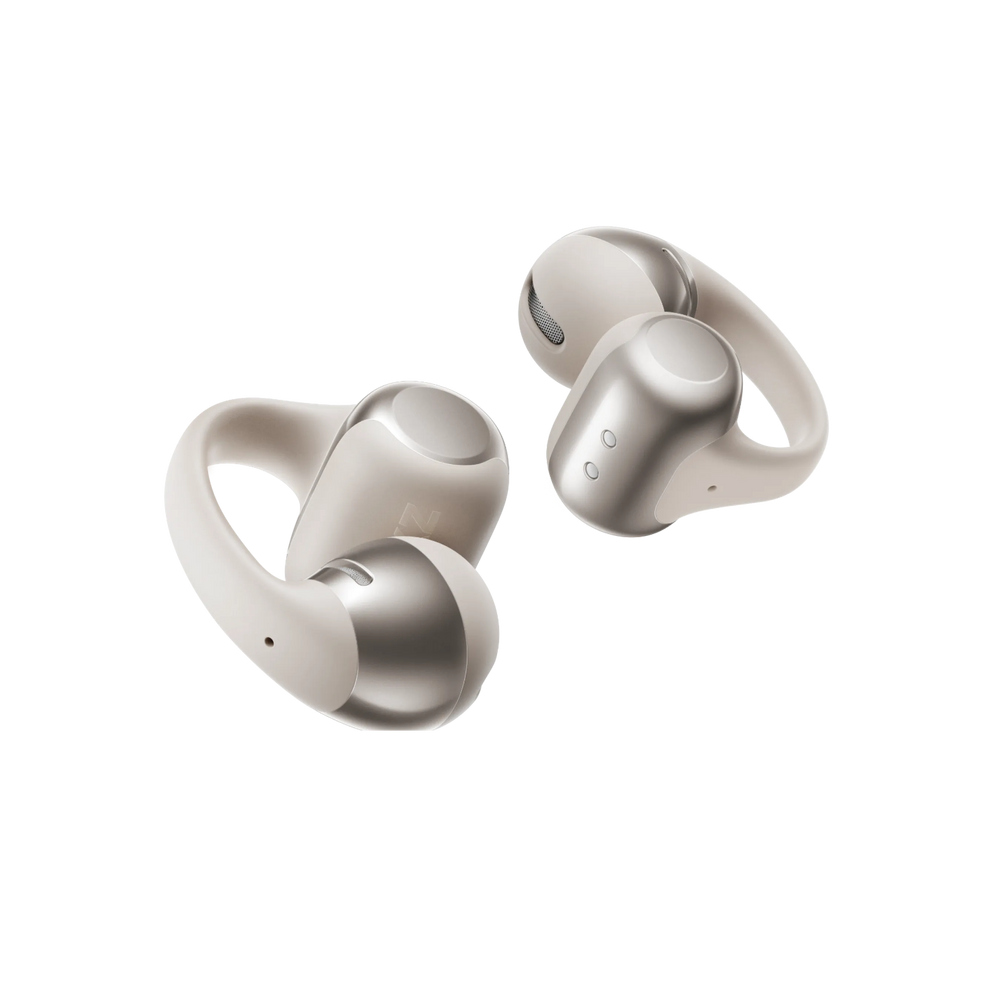
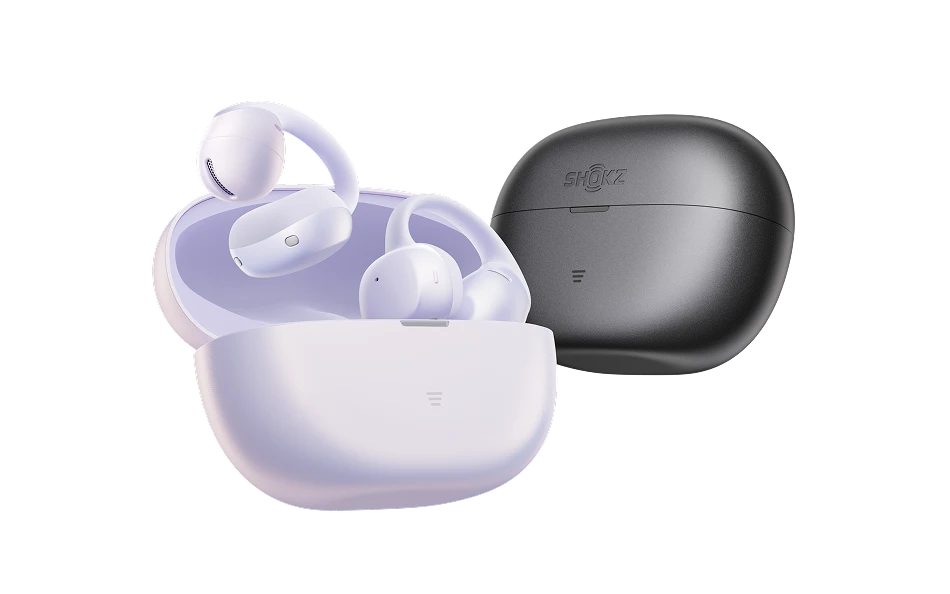
Shokz OpenDots ONE / Air | HK$1,299 / HK$1,099
The OpenDots series uses an ear-clip design, lighter and more discreet than traditional ear-hook styles. The ONE debuted at CES 2026 with Dolby Audio support; the Air strips things back to core features at a lower price. If youʼve never tried open-ear and want the lowest-cost entry point — the OpenDots Air is the safest bet. At HK$1,099, even if you discover open-ear isnʼt for you, it wonʼt sting too much.
- ONE: Dolby Atmos, HK$1,299
- Air: Core features, HK$1,099
- Design: Ear-clip, ultra-lightweight
✅ Great for you if…
You want to try open-ear but donʼt want to drop over two thousand dollars right away. The Air is the safest entry ticket; the ONE adds Dolby Atmos for a better movie-watching experience.
❌ Not for you if…
Youʼre used to the bass impact of in-ear designs (ear-clip designs leak more low end), or you have higher sound quality expectations (open-ear at this price has inherent acoustic limitations).
💰 Budget-Friendly, No Compromises
After seeing all those HK$2,000+ options above, you might be wondering: what if my budget is tight, but I still want decent sound and features?
Noble Osprey | HK$1,680 | Launched June 2026
Nobleʼs most accessible TWS to date. It supports LDAC hi-res audio, hybrid active noise cancellation, AI call noise reduction, and features a CNC aluminium charging case that elevates the overall feel. If youʼve always wanted to try Nobleʼs sound but your budget is limited, the Osprey is the most direct entry point — youʼre getting Nobleʼs tuning DNA, not a “cost-reduced Noble.”
- Driver: Dual-driver hybrid architecture
- Codec: LDAC
- Highlights: CNC aluminium charging case, AI call noise reduction
✅ Great for you if…
You want Noble tuning at an accessible price, appreciate build quality (the CNC aluminium case is a standout at this tier), and need LDAC hi-res audio.
❌ Not for you if…
You can stretch your budget above HK$2,500 (the Amadeus or Rex 5 offer significant sonic upgrades), or you need top-tier ANC (the Ospreyʼs noise cancellation is entry-level).
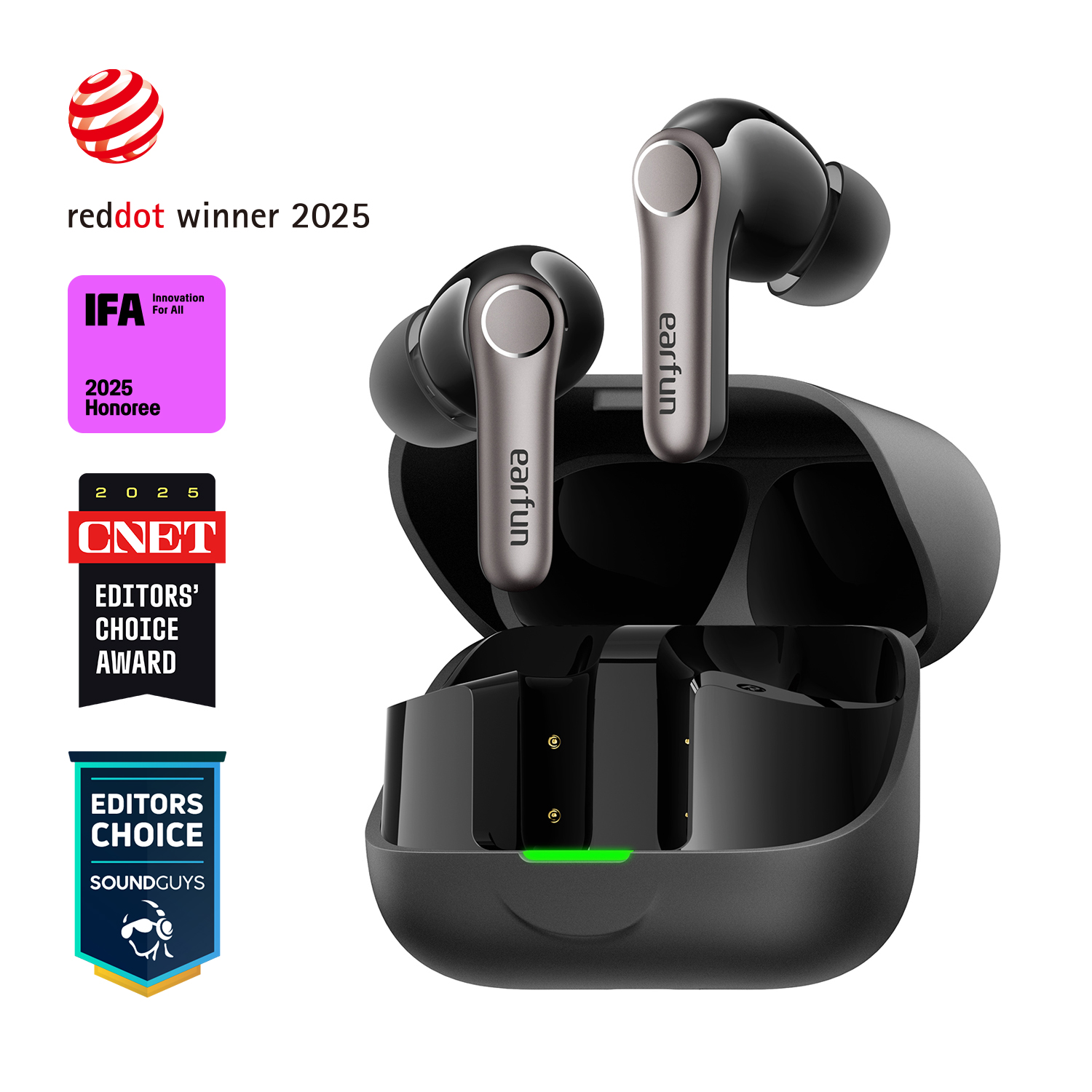
EarFun Air Pro 4+ | ~HK$630
Unveiled at CES 2026, this model delivers LDAC + ANC + dual-driver hybrid configuration at roughly HK$630. Both RTINGS and SoundGuys have named it their top budget TWS pick for 2026. LDAC + ANC at this price point is rare in itself — plenty of brands still lack LDAC above HK$1,000. For sheer value, it has essentially no competition at this tier. (EarFun Air Pro 4+ Review)
- Driver: Dual-driver hybrid
- Codec: LDAC
- Positioning: HK$630 with LDAC + ANC — the value ceiling
✅ Great for you if…
Your budget is under HK$1,000, you want LDAC hi-res audio, and brand prestige isnʼt a priority. The Air Pro 4+ is the textbook value pick — all the features, just missing the logo.
❌ Not for you if…
Brand matters to you (EarFun has low brand recognition, limited resale value), or you want premium build quality (plastic body, average fit and finish).
🔀 Osprey vs Air Pro 4+: HK$1,680 vs HK$630 — Whatʼs the Difference?
Both are strong value picks under HK$2,000, but with different priorities. The Osprey adds a CNC aluminium charging case (a big step up in feel), Noble tuning DNA, and more complete app support. The Air Pro 4+ is a pure spec-per-dollar monster — the fact that HK$630 gets you LDAC + ANC is persuasive enough on its own. In short: if you want refinement and tuning, spend the extra HK$1,000 on the Osprey; if you want the most features for the least money, the Air Pro 4+ is the only answer.
📊 2026 Key TWS Spec Comparison
| Product | Released | Price (HKD) | Type | Codec | ANC |
|---|---|---|---|---|---|
| Sony WF-1000XM6 | 2026/2 | $2,599 | In-ear | LDAC / AAC | ✅ QN3e AI |
| Samsung Buds4 Pro | 2026/2 | $1,998 | In-ear | SSC / AAC | ✅ |
| Noble Rex 5 | Early 2026 | $3,880 | In-ear | LDAC | ✅ |
| Noble Amadeus | 2026 | $2,498 | In-ear | LDAC | ✅ |
| Noble Osprey | 2026/6 | $1,680 | In-ear | LDAC | ✅ |
| Creative Ace 3 | 2026/2 | $1,388 | In-ear | LDAC / Snapdragon | ✅ |
| Shokz OpenFit Pro | 2026/5 | $2,399 | Open-ear | AAC | Open-Ear Noise Filter |
| Shokz OpenDots ONE | 2026 CES | $1,299 | Open-ear | AAC | — |
| Shokz OpenDots Air | 2026 | $1,099 | Open-ear | AAC | — |
| Cleer ARC 6 Music Pro | 2026/8 | $1,880 | Open-ear | Snapdragon Sound | — |
| EarFun Air Pro 4+ | 2026/1 | ~$630 | In-ear | LDAC | ✅ |
🤔 Still Canʼt Decide? Match Your Scenario
| Your Scenario | Top Pick | In One Line |
|---|---|---|
| 🎯 Commuting / ANC top priority | Sony WF-1000XM6 | ANC still the market leader, AI adaptive NC is unmatched |
| 📱 Samsung phone user | Samsung Buds4 Pro | SSC codec + Head Gesture, the most complete ecosystem integration |
| 🔊 Sound first, unlimited budget | Noble Rex 5 | Tribrid hybrid drivers, the TWS sonic ceiling |
| 🔊 Sound first, ~$2,500 budget | Noble Amadeus | Single-DD pushed to its limit, wins on natural musicality |
| 🔬 Curious about new tech (xMEMS) | Creative Ace 3 | $1,388 for xMEMS + Snapdragon Sound |
| 🏃 All-day wear / sports | Shokz OpenFit Pro | Open-ear 50hr battery, no ear pressure = most comfortable |
| 🎵 Open-ear + sound quality | Cleer ARC 6 Music Pro | Magnesium alloy diaphragm + Snapdragon Sound lossless |
| 🔓 Want to try open-ear, entry-level | Shokz OpenDots Air | $1,099 ear-clip, lowest cost to try |
| 💎 Want refinement + tuning ~$1,700 | Noble Osprey | CNC aluminium case + Noble tuning DNA |
| 💰 Best value, under $1,000 | EarFun Air Pro 4+ | $630 with LDAC+ANC, unbeatable value |
🔜 Coming Soon — Sennheiser Momentum True Wireless 5
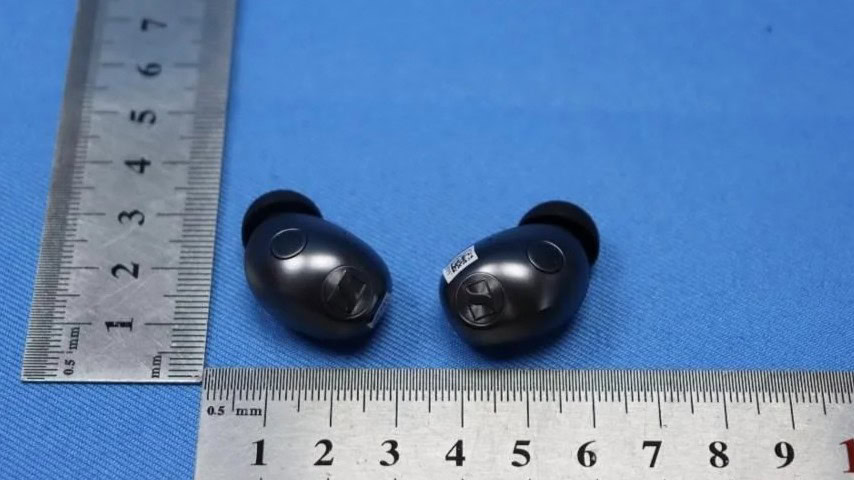
According to overseas reports, Sennheiser will unveil the Momentum True Wireless 5 on 19 August 2026, with pricing expected to stay in line with the previous generation (around HK$2,400). If Sennheiser can address the reliability issues that plagued the MTW4, the MTW5 will be one to watch for sound-quality-focused users. Weʼll be keeping a close eye on the launch.
🛒 Where to Buy & Try in Hong Kong
The worst feeling when buying earphones is reading the specs online and realising they donʼt fit once youʼve bought them. Hereʼs where you can audition them in person in Hong Kong:
- Noble full range audition: ECT Showroom, 28/F, Oriental International Tower, 1018 Tai Nam West Street, Lai Chi Kok (Rex 5, Amadeus, Osprey — all three in one visit). Call ahead to book: 3188 0767
- Cleer ARC 6: Available via headphone.com.hk online store (2771 8209)
- Shokz full range: Fortress, Price.com online store, The Club, and other retailers have display units for audition
- Sony / Samsung: Major electronics chains (Fortress, Broadway, etc.) and brand stores have demo units
💡 Try-Before-You-Buy Tips:
Open-ear earphones feel completely different from in-ear designs due to the fundamentally different wearing method — an in-person trial will tell you far more than a spec sheet. Strongly recommended to try them on yourself. For in-ear models, pay attention to ear tip sizing — a poor seal will directly affect your perception of both sound quality and ANC.
❓ FAQ
🔹 Should I choose open-ear or in-ear TWS?
In-ear designs rely on ear tips to seal the ear canal, providing better passive isolation and bass response — ideal for commuting and noisy environments. Open-ear designs sit outside the ear canal: zero pressure, more comfortable for extended wear, and they keep you aware of your surroundings — great for offices, workouts, or situations where you need to stay alert. If you primarily use earphones on the MTR or on planes, go in-ear. If you wear them for hours at your desk or at home, open-ear might be the better choice.
🔹 The Noble Rex 5 is HK$3,880 — what makes it HK$1,300 more than the Sony XM6 at HK$2,599?
These two products have entirely different positioning. The Sony XM6 is an all-round flagship — ANC, calls, fit, and battery life are all top-tier. The Noble Rex 5 is audiophile-first — the tribrid hybrid drivers deliver detail and resolution far beyond typical TWS, though its ANC and call quality fall short of Sony. In short: if you want the best overall experience, pick Sony. If you want the best sound, pick Noble.
🔹 What are the good options under HK$1,500 in 2026?
Three models worth noting: the Creative Aurvana Ace 3 (HK$1,388) features the rare xMEMS solid-state driver; the Noble Osprey (HK$1,680, slightly over budget but worth considering) is Nobleʼs most accessible model with LDAC and ANC; the EarFun Air Pro 4+ (~HK$630) delivers LDAC+ANC at a budget price — the best value of the three.
🔹 What is an xMEMS solid-state driver? How does it differ from a traditional dynamic driver?
xMEMS is a silicon-based micro-speaker manufactured using semiconductor processes. It uses the piezoelectric effect to convert electrical signals directly into mechanical vibration — the response is much faster and distortion is lower. The trade-offs are higher cost and typically less bass quantity compared to a dynamic driver of the same size. The Creative Aurvana Ace 3 is one of the few TWS models on the market currently using xMEMS.
🔹 Can open-ear earphones match in-ear models for sound quality?
At the same price point, in-ear models generally have the edge in bass extension and sonic density, but the natural soundstage of open-ear designs is something in-ear models struggle to replicate. In 2026, open-ear flagships have closed the gap considerably and now approach mid-tier in-ear quality — the difference is much smaller than before. Rather than asking which sounds better, first decide which wearing style and use case fits your life.
🔹 Which TWS should iPhone users pick?
iPhones only support AAC, so the Sony XM6ʼs LDAC and the Samsung Buds4 Proʼs SSC are both unavailable on iPhone. If ANC and overall performance are your priorities, the Sony XM6 is still the best choice — its noise cancellation is not codec-dependent. If your budget is tight, the EarFun Air Pro 4+ (~HK$630) also canʼt use LDAC on iPhone, but its ANC and sound quality at this price remain outstanding value.
📖 Further Reading
🔗 More Info
🛒 Noble product info and audition booking: ECT Official Website
🛒 Cleer ARC 6 Music Pro: Soundwave Audio Online Store
🛒 Shokz full range: Price.com Online Store
📰 References: SoundGuys 2026 Best Wireless Earbuds, RTINGS.com 2026 Earbuds Guide, earphoneman.com 2026 True Wireless Bluetooth Earphone Recommendations
📍 Noble audition address: 28/F, Oriental International Tower, 1018 Tai Nam West Street, Lai Chi Kok, Kowloon (booking recommended, tel: 3188 0767)
📍 Cleer enquiries: 2771 8209