 Features
At a Glance (TL;DR)
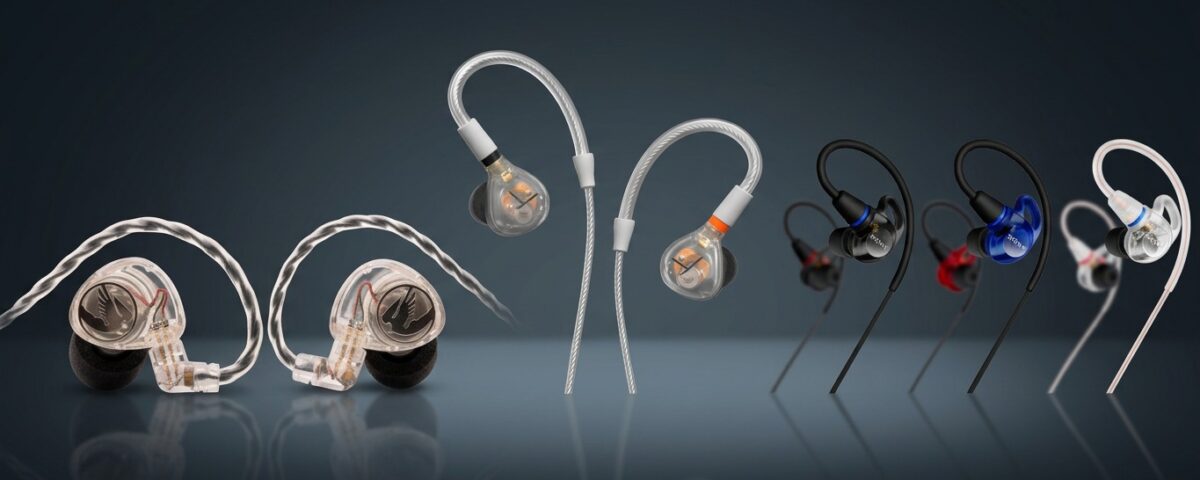
- JH Audio Jessie — HK$1,180, 12mm dynamic driver, the brandʼs most accessible universal IEM to date
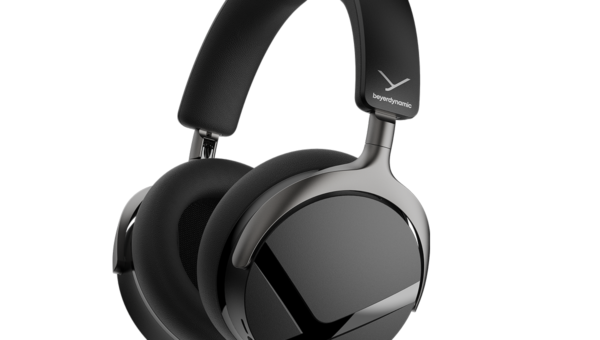
- Beyerdynamic DT 30 IE — HK$1,299, 39dB passive isolation plus IP54 dust and splash resistance
- Sony IER-M500 — HK$1,099, built for the stage, stabilizing ear fins, three transparent colourways
- The classics — the Shure SE215/SE535 have been on stage for over a decade and remain the reference for many working musicians (SE-series prices cited are launch-era references, not current retail)
- Bottom line — the ~HK$1,000 tier now has three major-label options; the classics still have their place, but they are no longer the only answer
Contents
- What is an IEM, and what are in-ear monitors for?
- JH Audio Jessie: an entry point at HK$1,180
- Beyerdynamic DT 30 IE: durability and isolation at HK$1,299
- Sony IER-M500: made for the stage at HK$1,099
- New vs classic: are the SE215 and SE535 still the reference?
- How to choose an entry-level IEM
- Why are the big names entering the entry-level market only now?
- FAQ
In the first half of 2026, the professional monitoring market saw something worth noting: three long-established pro-audio brands — JH Audio, beyerdynamic and Sony — each launched an entry-level IEM priced around HK$1,000. For a segment long defined by Shureʼs SE series, that is a rare shift.
What is an IEM, and what are in-ear monitors for?
IEM stands for In-Ear Monitor. The biggest difference from a regular pair of earphones is the design goal: not to sound “nice”, but to sound accurate. Singers and musicians on stage need to hear their own voice and instruments clearly, along with the mix coming from the monitor engineer; producers in the studio need a reference that isolates them from the room. That is why IEMs are built around two things — isolation, and a neutral tonal balance.
In music production the use case is clear: personal monitoring for live performance, so a drummer can hear the click track and vocals clearly next to a 110dB kit; and foldback monitoring in the studio, so monitor speakers do not bleed into the microphones.

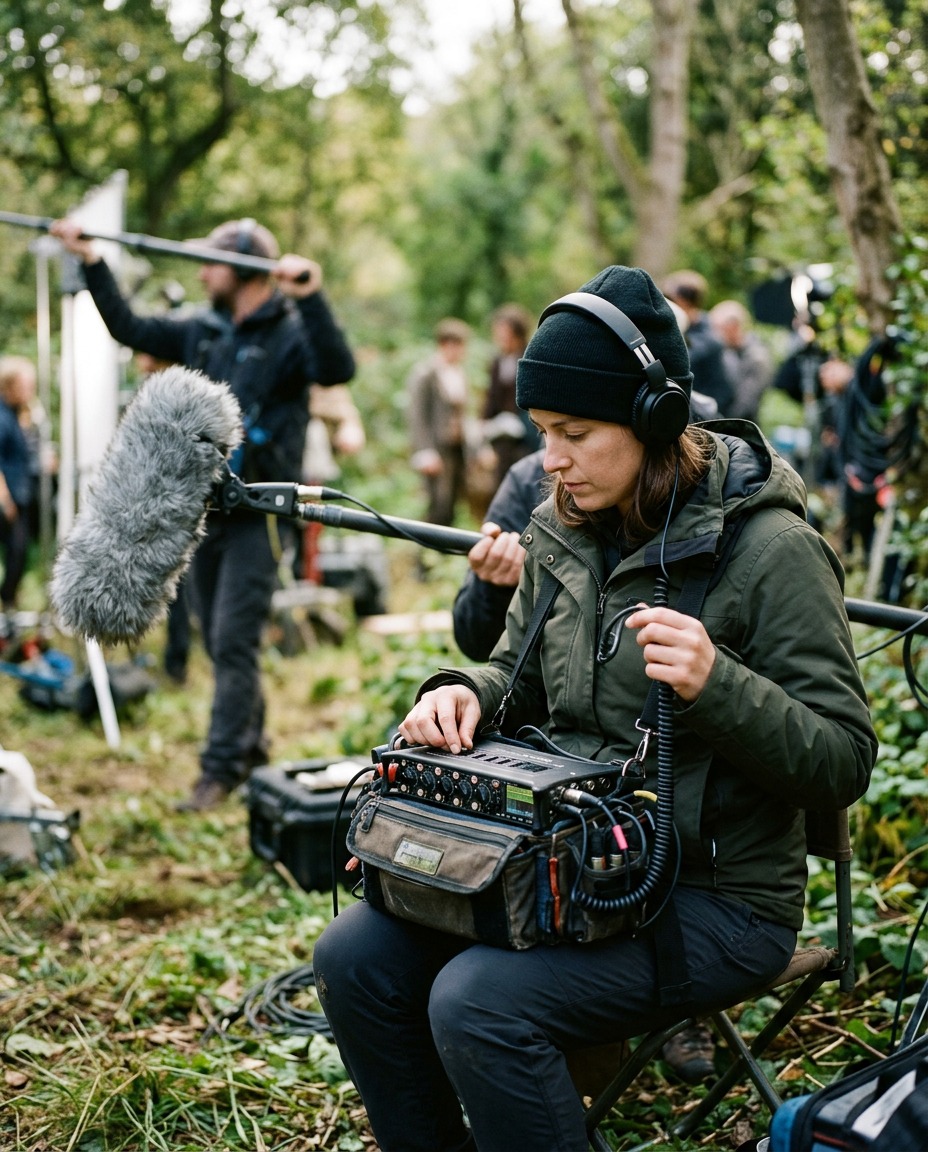
Things look slightly different in film and video production. The workhorse monitoring tool on set is still a closed-back headphone like the Sony MDR-7506 — durable, quick to put on and take off, easy for the sound recordist to swap between takes. In film production the IEM plays a more portable, low-profile role: compact on location, unobtrusive, and with better isolation than most headphones in noisy environments. Post-production can also use IEMs for nearfield monitoring, though most editors and mixers still rely on headphones or speakers as their primary reference.
As a side note, the strong passive isolation of an IEM has real value for everyday listeners too: on the commute you can block out most ambient noise without relying on active noise cancellation — and there is no battery to worry about.
JH Audio Jessie: an entry point at HK$1,180
Jessie carries a Hong Kong retail price of HK$1,180, making it the most accessible universal IEM JH Audio has ever made. Founder Jerry Harvey is widely credited with inventing the modern stage-monitor earphone, and JH Audioʼs lineup has historically lived in the several-thousand-dollar to five-figure range. Jessie is the brandʼs first step into the ~HK$1,000 tier.
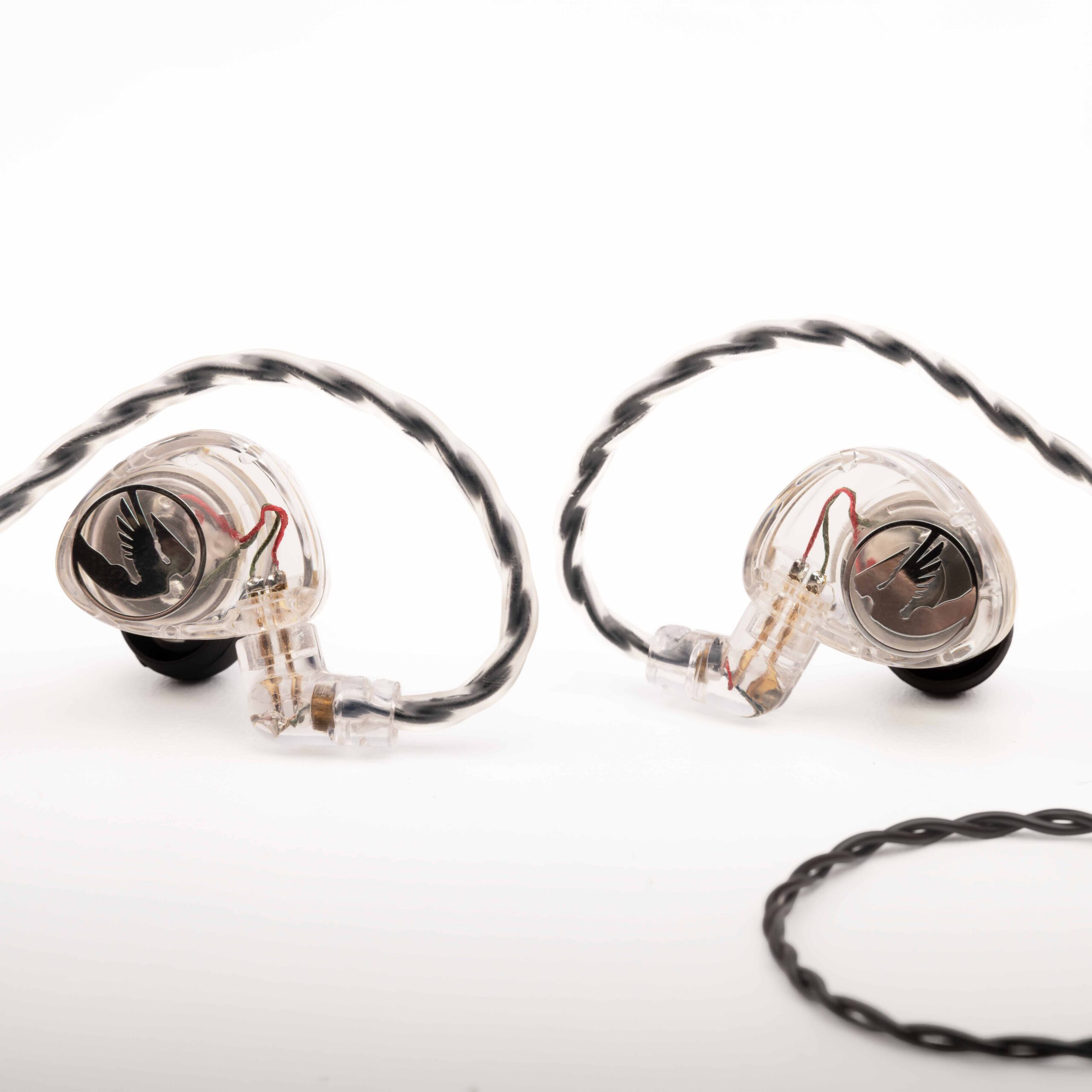
On paper, Jessie uses a single 12mm dynamic driver with a 20Hz–40kHz frequency response. At this price point, 40kHz treble extension is an uncommon figure, which the brand says helps preserve detail and air. The shell follows the familiar JH Audio formula — a transparent body that shows the driver and bore structure, over-ear wear, and a detachable cable.
Jessieʼs positioning is straightforward: a lower barrier to entry into the JH Audio sound. It is not a straight SE215 clone — where the latter is known for its vocal-forward midrange, Jessie leans on low-end extension and overall energy (per official description; not verified by listening). If you have always wanted to try the JH Audio sound on a budget, Jessie is the first sensible way in.
Beyerdynamic DT 30 IE: durability and isolation at HK$1,299
The DT 30 IE carries a suggested retail price of HK$1,299. Released in June 2026, it is the entry-level addition beneath beyerdynamicʼs flagship DT 70 IE family. Unlike the DT 70 IE, which offers instrument-specific tunings (drummer edition, guitarist edition and so on), the DT 30 IE is positioned as an all-purpose stage monitor.
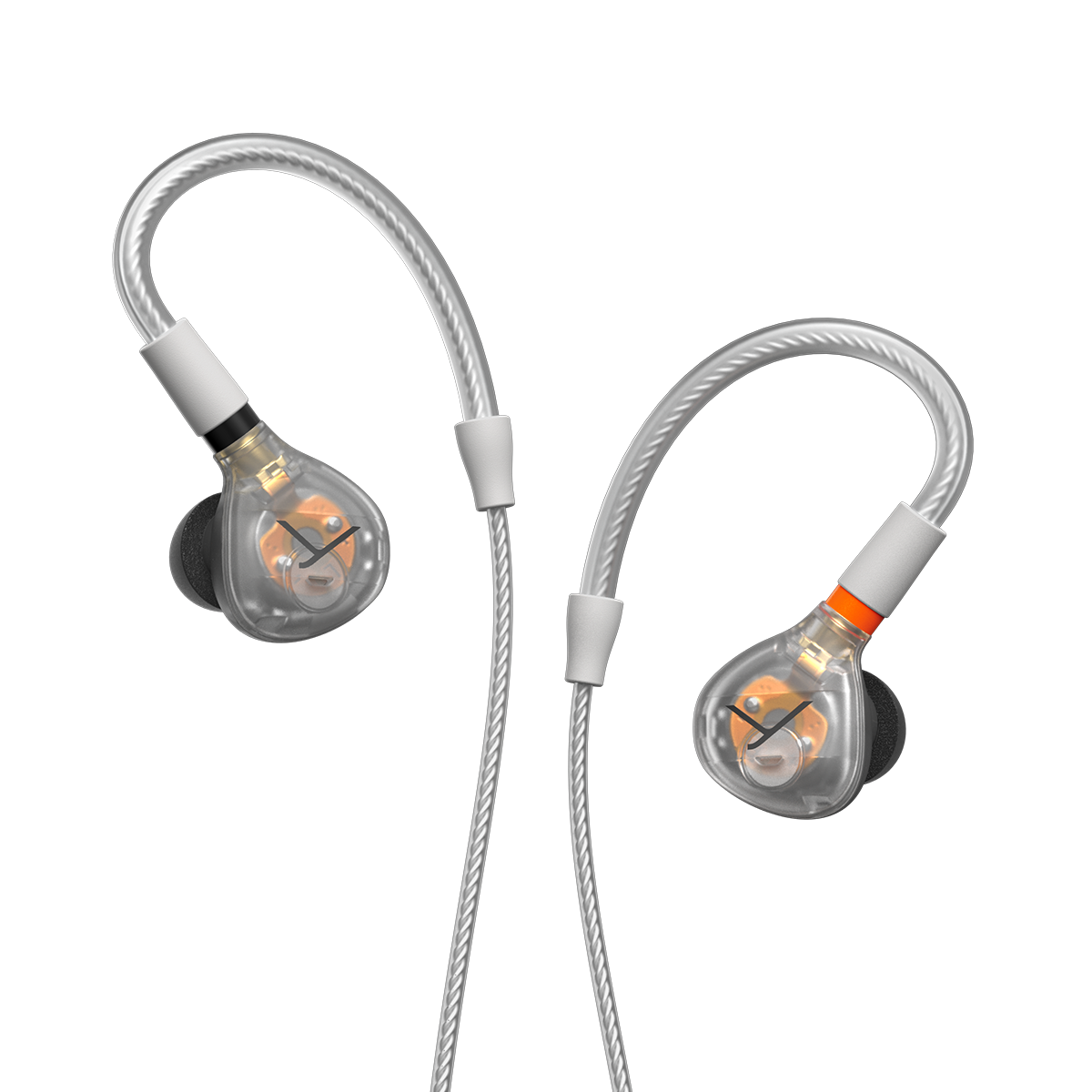
Its spec sheet is built around durability and isolation: passive isolation of up to 39dB — a high figure for an entry-level monitor, slightly ahead of the classic SE215 (around 37dB); IP54 dust and splash resistance, so sweat and light rain at a gig are not a problem; and a per-side weight of just 2.7g. Beyerdynamic says the shell shape was developed from data collected across hundreds of ear impressions, with an emphasis on stability over long sessions.
Sonically, the DT 30 IE uses an 11mm dynamic driver with a quoted 5Hz–20kHz response — 5Hz bass extension is just as rare at this level, and in practice it means the low-frequency roll-off starts lower. The brand describes the sound as a “balanced monitoring signature”. The cable is Kevlar-reinforced and detachable, using MMCX connectors.
The DT 30 IEʼs pitch is refreshingly practical: protection, isolation and durability — exactly what a working stage demands.
Sony IER-M500: made for the stage at HK$1,099
The Sony IER-M500 carries a suggested retail price of HK$1,099. Released in July 2026, it is Sonyʼs first IEM for musicians since 2018. It sits in Sonyʼs professional audio family alongside the MDR-M1 studio headphone, positioned as an entry-level stage monitor. (We have a separate review of this model — see Further Reading at the end.)
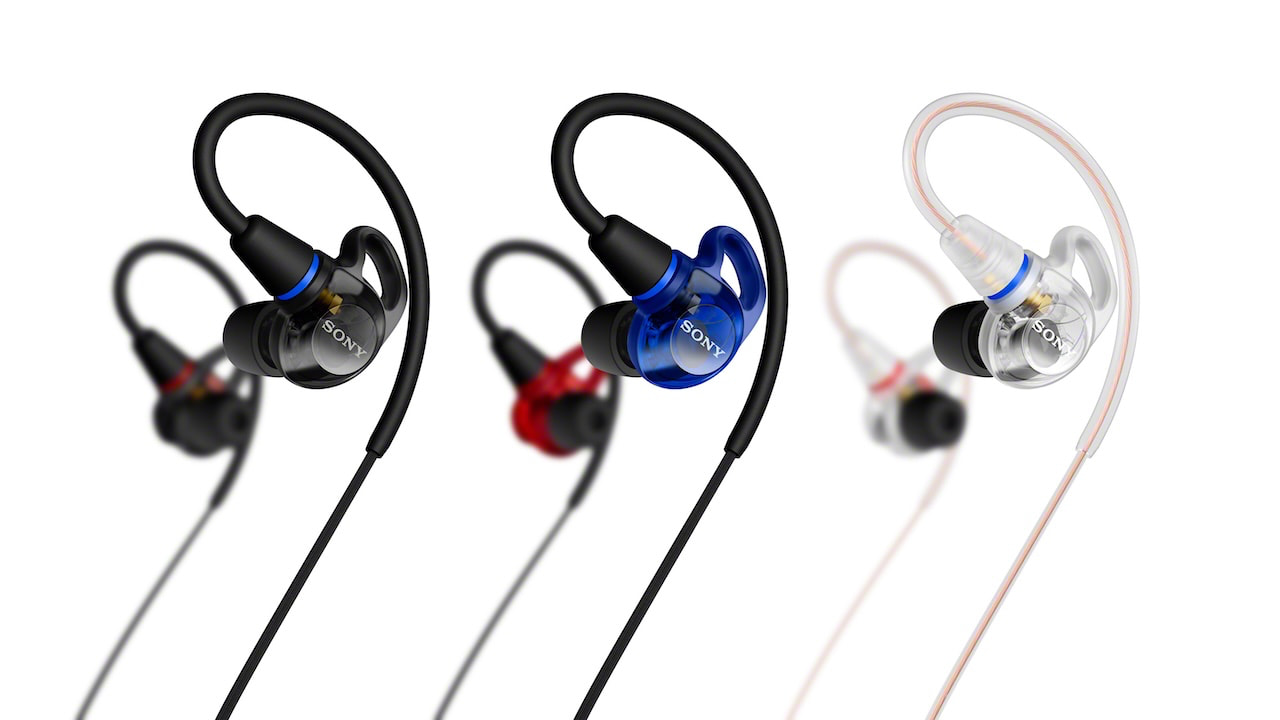
The IER-M500ʼs design focus is fit stability: Sonyʼs original stabilizing ear fins plus a mouldable ear hanger, combined with multiple sizes of isolating eartips — the official line is that the monitor stays put even through vigorous stage movement. The driver is a single 5mm dynamic — small for a monitor — paired with a fully sealed housing, trading size for a more compact shell and better isolation. At 16Ω impedance and 103dB/mW sensitivity it is extremely easy to drive, even straight from a phone.
It comes in three transparent colourways (black, fully clear, red/blue) with a detachable 1.6m cable. At HK$1,099 the IER-M500 is the cheapest of the three newcomers — and the only one that explicitly credits monitoring engineers in its development.
New vs classic: are the SE215 and SE535 still the reference?
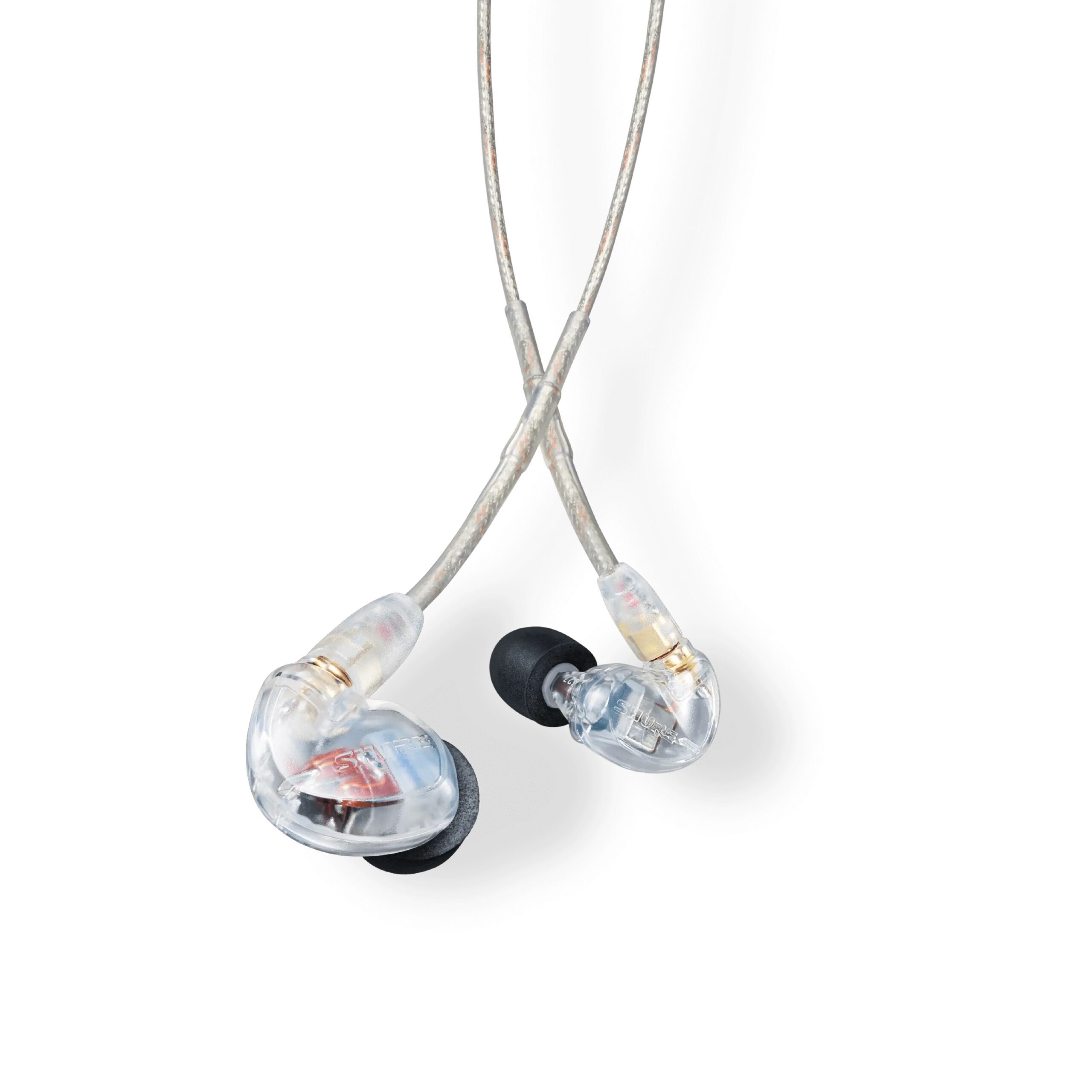
Any conversation about entry-level monitors has to pass through Shureʼs SE series. The SE215 launched in 2011 with a single dynamic driver and an introductory price of around US$100 (the Hong Kong suggested retail price sat around HK$968 for years); the SE535 arrived a year earlier, in 2010, with a triple balanced-armature architecture, a US$549 price in the US, and a Hong Kong launch price in the HK$3,000-plus bracket. To avoid any confusion: the SE-series prices mentioned here are historical launch references that reflect the market at the time — they are not current retail prices, and are not purchase recommendations.
You can compare the full specifications of the three newcomers side by side in the comparison table below, covering driver configuration, isolation, fit and pricing:
Objectively, the three newcomers beat the early-2010s classics in a few areas: higher isolation figures, protection certifications, and cables and ear-hanger designs refined for modern performance environments. But the SE seriesʼ value lies in time — over a decade of accumulated stage mileage, a mature accessories ecosystem (plenty of foam tip and upgrade cable options), and easy servicing and replacement for touring crews worldwide. None of that is something a new product can match overnight. The honest framing is not “replacement” but “complement”: if you are budget-conscious and want the latest specs, look at the newcomers; if you value a proven track record and ecosystem, the classics remain a safe pair of hands.
How to choose an entry-level IEM
With more choice in the ~HK$1,000 tier, it is worth getting clear about your actual use case:
| Use case | What to prioritise |
| Stage performance | Isolation figures, fit stability, sweat/moisture resistance |
| Recording / post-production | Tonal neutrality, detail retrieval |
| On-location film sound | Small size, isolation, easy packing |
| Daily commute | Comfort, isolation, easy to drive |
A few general rules of thumb: first, judge isolation by the numbers — a monitorʼs passive isolation comes mainly from the eartips and the seal of the housing, so the figures are directly comparable; second, check whether the cable is replaceable — cables take a beating on stage, and a detachable design (MMCX, for example) extends a monitorʼs life dramatically; third, try before you buy if you can — comfort in an over-ear monitor varies from person to person, and both per-side weight and shell contour shape the long-session experience.
Why are the big names entering the entry-level market only now?
The obvious question: this price band has existed for years — why did three major brands land products in it at the same time in the first half of 2026?
The straightforward answer is a shift in the market. Over the past decade, Chi-Fi brands (emerging Chinese audio brands) grew the entry-level IEM segment with aggressive pricing — consumers have grown used to the idea of multi-driver monitors for a few hundred dollars. At the same time, stage-monitoring demand has trickled down: small venues, church bands, streamers and content creators all need something more dependable than consumer earphones, without necessarily having a multi-thousand-dollar budget. The majorsʼ move into the ~HK$1,000 tier is a way to enter an already-proven volume market with brand equity, after-sales support and pro credentials. To be clear, the above is a market observation and a reasonable inference — none of the three brands has given a unified public explanation of its strategy.
For consumers, the motives hardly matter — the outcome does. A thousand-dollar budget no longer forces a binary choice between “new brands” and “a decade-old classic”.
FAQ
What is the difference between an IEM and a regular pair of earphones?
An IEM is an in-ear earphone designed for monitoring, with the emphasis on isolation and tonal neutrality; regular earphones typically aim at entertainment, with tuning that flatters. The divide is design intent, not an absolute measure of sound quality.
Is an entry-level IEM good enough for stage monitoring?
For small gigs, church bands or practice use, a ~HK$1,000 IEM is more than adequate. Large touring acts mostly use custom IEMs (moulded to the ear) with wireless monitoring systems — a different budget tier entirely.
Are the SE215 / SE535 still worth buying?
Both classics carry over a decade of stage validation and a mature accessories ecosystem, so they remain a safe choice. Current retail prices fluctuate with the market, though — compare against todayʼs street prices before buying. The three newcomers each have spec advantages worth auditioning before you decide.
Should film production use IEMs or headphones?
Closed-back headphones remain the mainstream on set (durable, quick on and off). IEMs suit situations that call for a low profile, portability or high isolation — location sound, for example. For post-production mixing, monitor speakers or headphones should be the primary reference, with IEMs as a secondary check.
Are IEMs suitable for everyday use?
Yes. Strong passive isolation genuinely helps on commutes and during focused work — and there is nothing to charge. Two things to note: the over-ear fit takes a little getting used to, and with isolation this good, stay aware of traffic when you are walking near roads.
Further Reading
- Sony IER-M500 Stage Monitor IEM review — our standalone short review of the IER-M500
- 2026 TWS Buying Guide — if what you need is a wireless option