 Product News
- Brand Background: Klipsch’s 80-Year Headphone Comeback
- Atlas Series Positioning: Three Models, Three Missions
- Atlas HP-2: The Closed-Back Bass-Head Statement
- Atlas HP-3: Semi-Open Flagship Built for Two-Channel Listening
- Atlas HP-1: Wireless ANC Daily Companion (Not Shown)
- Side-by-Side Comparison
- Kaia’s Product Designer Take
- Show Information
- FAQ
- Further Reading
🏭 Brand Background: Klipsch’s 80-Year Headphone Comeback
2026 marks Klipsch’s 80th anniversary. Founded by Paul W. Klipsch in 1946, the American audio legend’s standing in the loudspeaker world is beyond question — but when it comes to headphones, Klipsch has always been more of a part-time player.
The Heritage HP series of the 2010s — particularly the wood-cupped HP-3 flagship — was a genuine design statement, but the headphone lineup remained sporadic. In recent years, Klipsch has largely focused on true wireless earbuds. The Atlas series changes that calculus: it’s Klipsch making it clear, through action, that over-ear headphones are no longer an afterthought.
⚙️ Atlas Series Positioning: Three Models, Three Missions
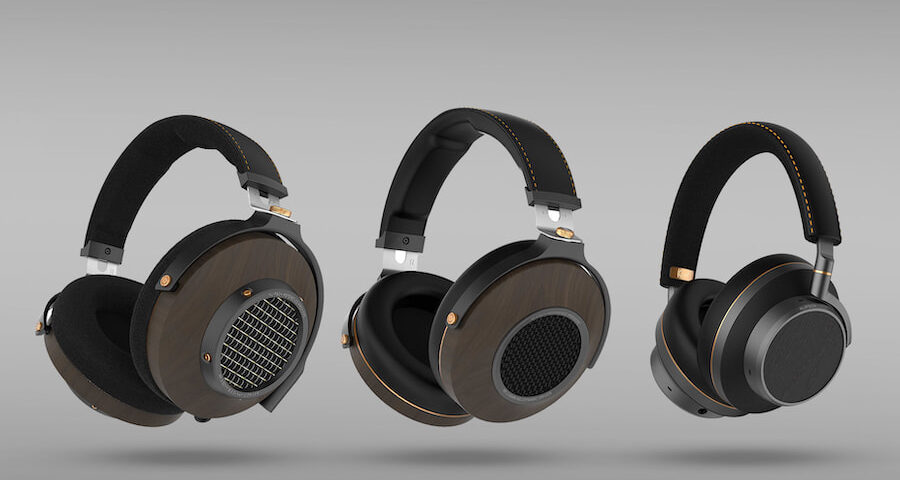
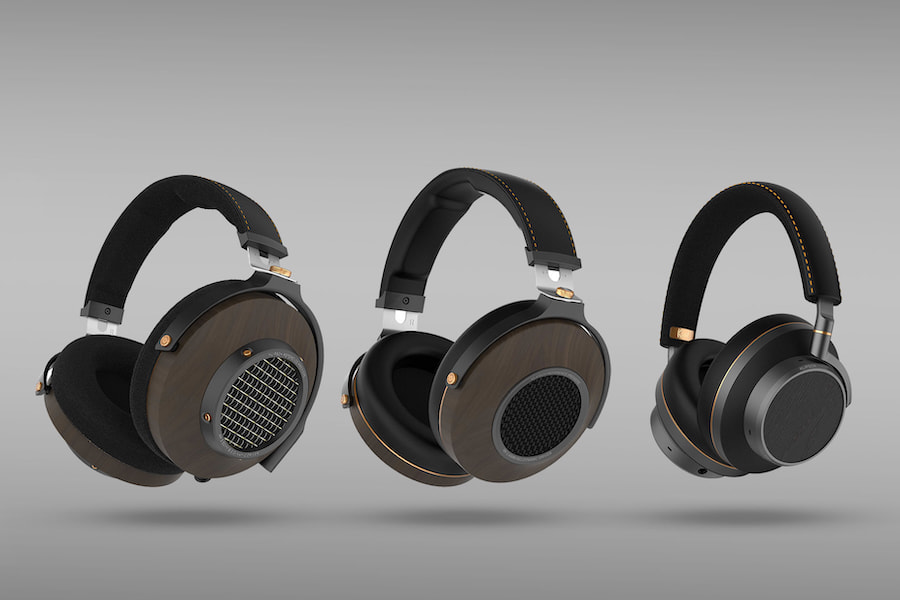
First unveiled at CES 2026, the Atlas series is now making its European debut at HIGH END Vienna 2026. The lineup spans three distinctly different use cases:
🟢 HP-1: Wireless ANC daily/travel headphone — lightweight, long battery life, coaxial driver
🟠 HP-2: Closed-back wired hi-fi, squarely aimed at the bass-head enthusiast
🔴 HP-3: Semi-open wired flagship, targeting critical two-channel listening
Notably, only the HP-2 and HP-3 are being shown in Vienna — the HP-1 is absent. Klipsch appears to be using Europe’s largest hi-fi show to build audiophile credibility first, which is a practical and smart move. Fellow Vienna headphone highlights include the Meze Audio ARTA and the Audeze MM-520, making the show’s headphone battlefield especially competitive.
🔧 Atlas HP-2: The Closed-Back Bass-Head Statement
The HP-2 is the closed-back model in the Atlas range, and Klipsch is positioning it for “class-leading bass response” — a phrase that typically rings alarm bells in hi-fi circles, since bass-forward tuning often translates to bloated lows that swamp the mids and treble.
But Klipsch’s language is more precise than the usual bass-head marketing. They’re emphasising bass authority, impact, and physical presence — not just quantity. The target listener isn’t the gym-goer looking for workout cans; it’s the enthusiast who wants visceral bass energy without sacrificing control or texture.
Technically, the HP-2 employs a coaxial driver architecture — the core DNA of Klipsch’s loudspeaker engineering. By placing the tweeter at the acoustic centre of the woofer, coaxial designs achieve superior phase coherence and imaging precision. Materials include Alcantara and other premium finishes, signalling a commitment to both tactile quality and long-term durability.
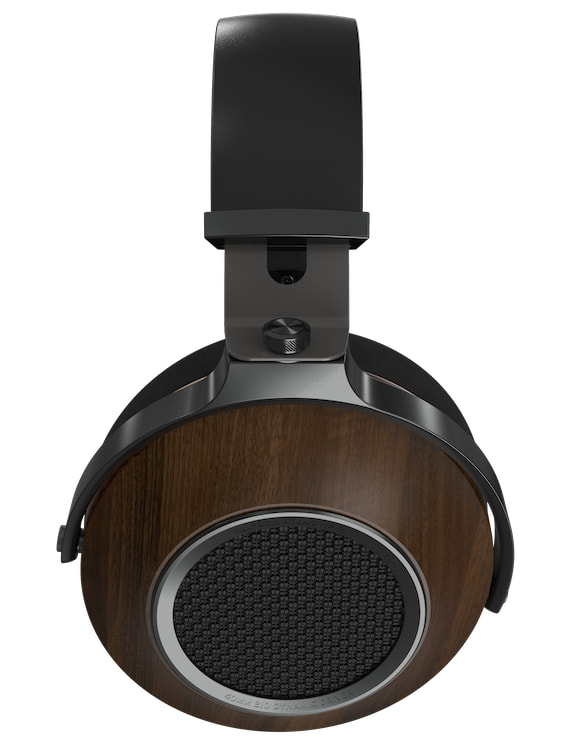
The competition is fierce: Focal’s closed-back lineup, Beyerdynamic, and Meze Audio all have well-established tuning formulas. The HP-2’s path to relevance lies in whether Klipsch can genuinely deliver on the “bass authority with control” promise — there aren’t many closed-back headphones that offer both low-end slam and genuine refinement.
🔧 Atlas HP-3: Semi-Open Flagship Built for Two-Channel Listening
The HP-3 sits at the top of the Atlas lineup. Its semi-open design is explicitly aimed at “critical two-channel listening” — in other words, Klipsch wants the HP-3 to simulate a loudspeaker listening experience, not just be “another good-sounding headphone.”
The semi-open architecture gives the HP-3 a wider soundstage and greater spatial openness while maintaining structural focus — a direct extension of Klipsch’s loudspeaker design philosophy: efficiency, dynamics, and that “music is in front of you” presentation.
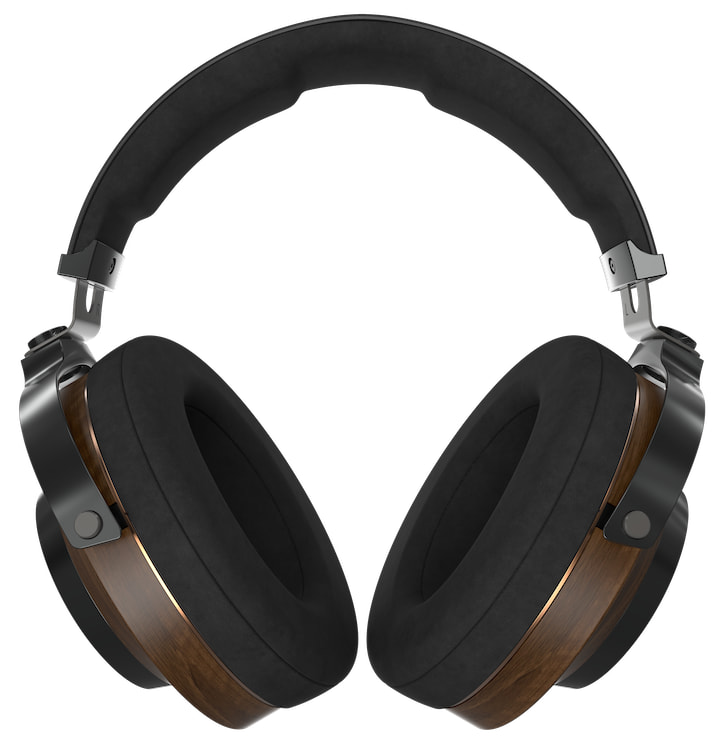
Comfort is another major focus. Klipsch has equipped the HP-3 with a wider, cushioned headband for better weight distribution, Alcantara finishes, and perforated earcups for breathability — all designed with long listening sessions in mind. The packaging also includes a dedicated headphone stand, which is uncommon at this price point.
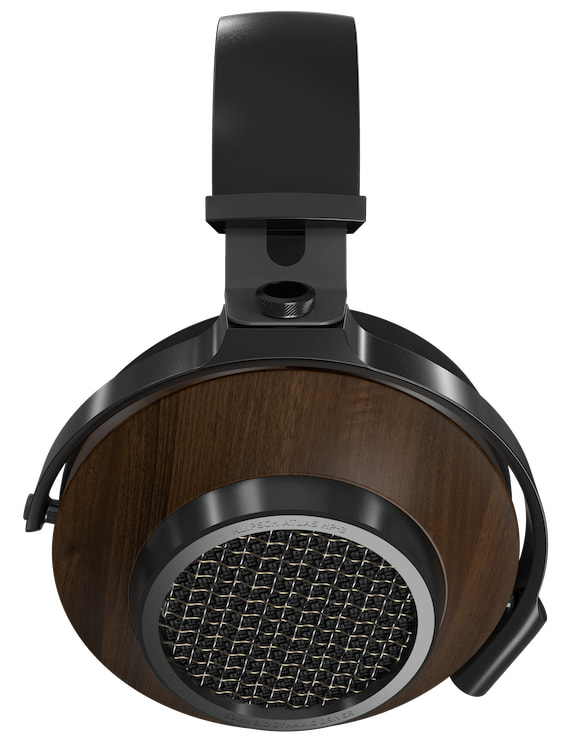
The HP-3 will be measured against the Focal Clear MG, Meze 109 Pro, and Sennheiser HD 800S tier. Klipsch’s advantages are brand recognition and dealer presence, but to convince two-channel listeners to extend their trust from Klipsch loudspeakers to Klipsch headphones, the HP-3 must deliver on soundstage, timbre, imaging, and long-session comfort.
📝 Atlas HP-1: Wireless ANC Daily Companion (Not Shown)
Although absent from Vienna, the HP-1 deserves mention as the third pillar of the Atlas series. It’s a wireless ANC over-ear built for lightweight daily use — commuting, travel, and everyday listening. It shares the coaxial driver architecture with its siblings and supports USB-C wired lossless listening, with planned third-party integration for spatial audio and hearing compensation features.
In essence, the HP-1 is Klipsch’s answer to Bose, Apple AirPods Max, and the Sony WH-1000XM series — but filtered through Klipsch’s sonic DNA. It may well be the Atlas model with the broadest consumer appeal.
📋 Side-by-Side Comparison
| Model | Atlas HP-1 | Atlas HP-2 | Atlas HP-3 |
|---|---|---|---|
| Type | Wireless ANC Over-Ear | Closed-Back Wired | Semi-Open Wired |
| Driver | Coaxial | Coaxial | Coaxial |
| ANC | ✅ Yes | ❌ No | ❌ No |
| Wireless | ✅ Bluetooth | ❌ Wired Only | ❌ Wired Only |
| Materials | Wood / Leather / Metal | Alcantara / Premium | Alcantara / Perforated Earcups |
| Positioning | Travel / Daily ANC | Bass-Head Hi-Fi | Critical Listening Flagship |
| Highlights | Spatial Audio / USB-C Lossless / Lightweight | Bass Authority + Control | Speaker-Like Soundstage / Includes Headphone Stand |
| Release | US Summer 2026 | US Summer; EU Fall 2026 | US Summer; EU Fall 2026 |
| Price | TBA | TBA | TBA |
💡 Kaia’s Product Designer Take
💡 Kaia’s Product Designer Take
Bringing coaxial driver technology down from Klipsch’s loudspeakers into headphones is a sensible and clever move — coaxial designs have inherent advantages in phase coherence and imaging, and Klipsch has decades of experience here. The open question: near-field listening through headphones is fundamentally different from far-field loudspeaker listening, and we won’t know how well the coaxial approach translates until production units land.
The HP-2’s “bass authority with control” claim is the biggest test. Plenty of closed-back headphones deliver bass quantity, but most sacrifice speed and cleanliness to get there. If Klipsch genuinely nails this balance, the HP-2 could become a new benchmark for closed-back bass-head headphones. The HP-3’s semi-open, speaker-like approach is a smart sidestep — rather than going head-to-head with the HD 800S on analytical precision or Focal on dynamic attack, it leans into Klipsch’s loudspeaker DNA to deliver a “music in front of you” presentation.
The biggest concern is timing and pricing. By the time Atlas reaches Europe in the autumn, the competitive landscape will be even more crowded. And the TBA pricing is a source of uncertainty — if the HP-3 lands above US$1,000, it’ll face not just competing products but also the credibility gap that comes with being a “speaker brand doing headphones.” Klipsch has the brand, the engineering, and the dealer network — but the headphone market doesn’t hand out free passes, even to audio legends.
🏟 Show Information
🏁 Summary
The Klipsch Atlas series represents the brand’s most serious headphone push in nearly a decade. The three-model lineup is clearly segmented: HP-1 for the premium wireless mainstream, HP-2 for bass-head hi-fi enthusiasts, and HP-3 for critical listeners chasing a speaker-like experience. The coaxial driver architecture and Alcantara material choices signal a genuine commitment to premium positioning.
But let’s be clear: the products aren’t available yet, pricing hasn’t been announced, and no one outside Klipsch has heard them. HIGH END Vienna 2026 is Klipsch handing the European audiophile community a business card that reads: “We’re back.” The real test begins when production units arrive this autumn.
Bottom line: Klipsch is finally treating headphones as more than a side project. The Atlas series is the speaker giant’s first serious swing at the headphone market — full of intent, but awaiting real-world validation.
❓ Frequently Asked Questions
How many models are in the Klipsch Atlas series? What’s the difference?
The Atlas series comprises three models: the HP-1 is a wireless ANC daily headphone, the HP-2 is a closed-back wired bass-head hi-fi headphone, and the HP-3 is a semi-open wired flagship targeting critical two-channel listening. All three share a coaxial driver architecture.
When will the Klipsch Atlas HP-2 and HP-3 be available? How much will they cost?
The US launch is expected in Summer 2026, with Europe following in Fall 2026. Official pricing has not been announced; industry estimates based on Klipsch’s historical product lines place the range between US$499 and US$1,199. Hong Kong availability awaits further official announcements.
What’s the main difference between the HP-2 and HP-3? Which one is right for me?
The HP-2 is a closed-back design emphasising bass authority and impact, suited to listeners who want visceral low-end energy with control. The HP-3 is a semi-open design emphasising a wide, speaker-like soundstage and imaging, built for two-channel listening and extended comfort. In short: HP-2 = energy-first; HP-3 = spaciousness-first.
How does the Atlas series relate to Klipsch’s previous Heritage HP headphones?
Atlas is the spiritual successor to the Heritage HP series from the 2010s, but it’s not a minor update. It features an entirely new design language, a coaxial driver architecture, more premium materials, and a clearer, more deliberate market positioning — representing Klipsch’s fresh strategic approach to over-ear headphones.
Do the Atlas HP-2 and HP-3 need a dedicated headphone amplifier?
Klipsch has not yet published detailed specifications such as impedance and sensitivity. As hi-fi-grade wired headphones, pairing them with a capable amplifier or DAP is recommended for optimal performance, but actual drive requirements can only be confirmed once the full specs are released.
📖 Further Reading
🔗 More Information
🛒 Official Klipsch CES 2026 Announcement: Klipsch Hosts Backstage Access to Next Era of Audio at CES 2026
📰 Show Coverage: ecoustics — Klipsch Atlas Headphones Previewed at High End Vienna 2026
📰 Product Details: Stereoindex — Klipsch Atlas HP Series Announced