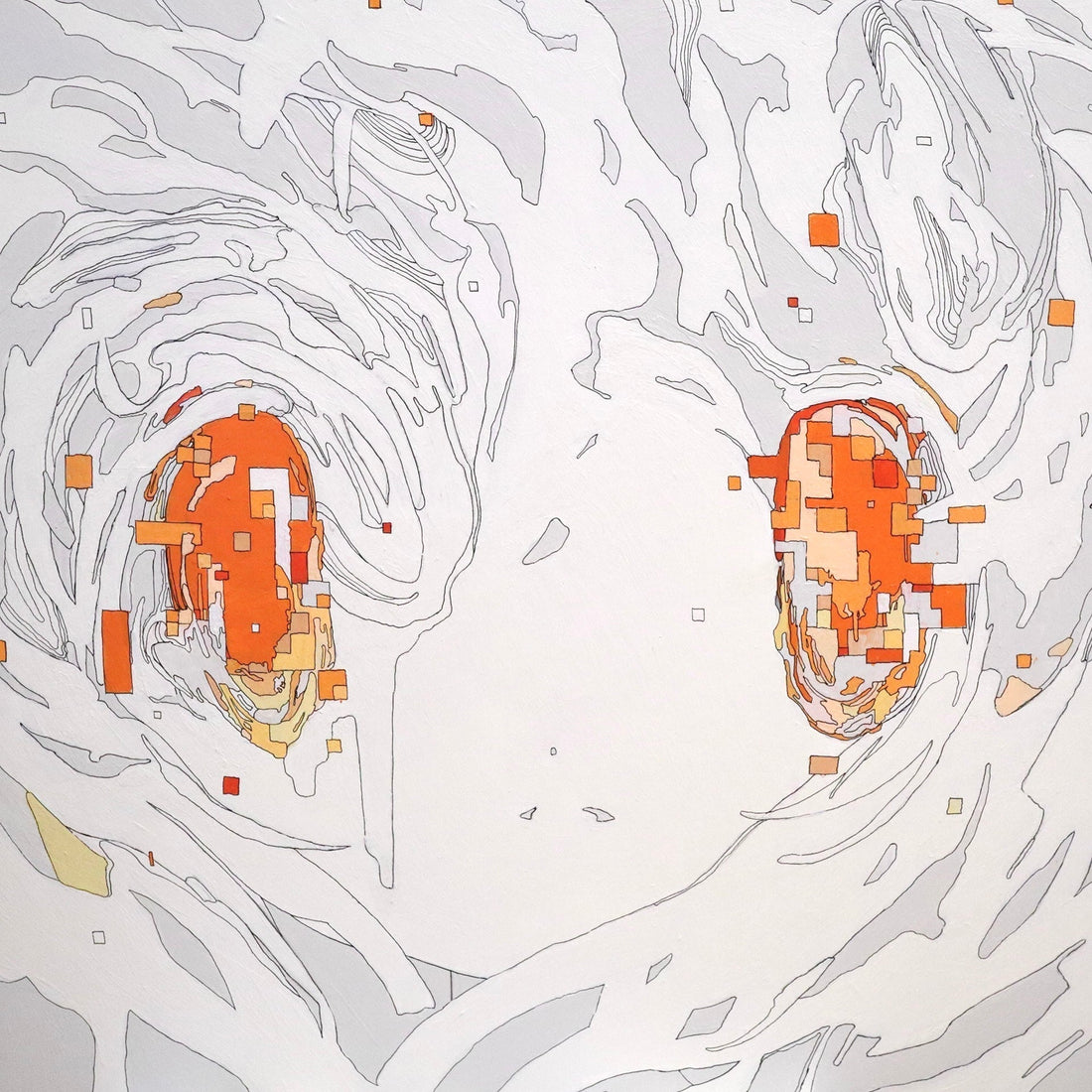

• Japanese saxophonist Miho Terachi’s new album URBAN MIRAGE Hi-Res audio now available
• 96kHz/24bit high-resolution edition exclusive on Qobuz (Japan)
• Japanese Fusion all-star lineup: Takahiro Kaneko (Kome Kome CLUB), Jun Abe (CASIOPEA), Mitsuru Sutoh, Takashi Masuzaki (DIMENSION) and more
• Recording engineer Akiyuki Fujiwara reveals the process: one-take live recording through a NEVE 5315 vintage console

📋 Album Info
| Album | URBAN MIRAGE |
| Artist | Miho Terachi (寺地美穂) |
| Genre | Jazz Fusion / Smooth Jazz |
| Hi-Res Format | 96kHz / 24bit |
| Platform | Qobuz (Japan region) |
| Producers | Takahiro Kaneko (Kome Kome CLUB), Jun Abe (CASIOPEA), Kanata Morimitsu |
| Recording Engineers | Akiyuki Fujiwara, Masakazu Kimura |
| Studio | Volta Studio (Nakano, Tokyo) — NEVE 5315 Vintage Console |
| Musicians | Yoshinori Imai (Dr), Jun Abe (Key), Mitsuru Sutoh (B), Takashi Masuzaki (G), Shoya Kitagawa (G) and more |
📝 “The Beloved Saxophone” — Miho Terachi Interview & Recording Decoded
This PHILE WEB feature is essential reading for Hi-Res enthusiasts and recording engineering nerds alike. Saxophonist Miho Terachi’s new album URBAN MIRAGE doesn’t just boast a ridiculously stacked lineup — it’s a who’s who of Japanese Fusion, from CASIOPEA’s Jun Abe to DIMENSION’s Takashi Masuzaki. What makes this piece truly special, though, is that recording engineer Akiyuki Fujiwara walks us through the entire tracking process in his own words.

🔊 The One-Take Commitment
One of the album’s defining features is ippatsu-dori — the entire band tracked live together in one pass, no individual overdubs, no piecemeal layering. Terachi explains that the majority of the album’s repertoire was shaped through live performance, and she wanted to preserve that raw interactive energy in the studio. Fujiwara elaborates: he used Volta Studio’s NEVE 5315 vintage mixing console, pushing the input gain while pulling the master fader back — a technique that yields a sound that’s simultaneously soft and punchy. That’s the magic of an analogue console.
🎷 A “Masculine” Female Saxophone
One of the most delightful exchanges in the interview: Fujiwara describes Terachi’s saxophone tone as leaning masculine. She immediately beams and says, “I’m so happy to hear that!” There’s backstory here. On her debut album BEAUTIFUL MAGIC, producer Takahiro Kaneko put Terachi through what amounted to a “saxophone boot camp” — breath control, embouchure refinement — that instilled a distinctive strength and weight in her tone. Fujiwara, aware of that mentorship lineage, hears a thickness in her sound that sets it apart from what people typically expect of a “female saxophone.”
🎚️ Why Hi-Res Matters Here
If you’re wondering why you’d want to listen to this album at 96kHz/24bit, Fujiwara’s recording methodology is your answer. The analogue dynamics captured through that NEVE console, the micro-timing between musicians that only a one-take session can preserve, the subtle spatial shifts as Terachi moves freely around the studio while playing — all of this lives in the Hi-Res file. CD-quality (16bit/44.1kHz) compresses these near-live textures; the 96kHz version lets you feel Fujiwara’s meticulous mic placement and the full analogue chain in layered detail.
💡 Kaia’s Take: Miho Terachi’s saxophone isn’t the soft, wallpaper-jazz-bar kind of sound — it has force, texture, and attitude. If you love the CASIOPEA school of Fusion and want to hear genuine studio quality through a Hi-Res format, this one’s worth your time.
❓ FAQ
🔹 Where can I buy URBAN MIRAGE in Hi-Res?
The 96kHz/24bit Hi-Res edition is exclusive to Qobuz (Japan region). International buyers can purchase with a credit card via Qobuz Japan. The album is also available on other platforms in CD-quality only.
🔹 What is Miho Terachi’s musical style?
Miho Terachi is a Japanese saxophonist whose style sits firmly in Jazz Fusion and Smooth Jazz. URBAN MIRAGE was largely shaped through live performance and features tight ensemble interplay across its tracks, recorded in one-take sessions with a hand-picked Fusion all-star band.
🔹 What makes the recording approach special?
The album was tracked live in one take (ippatsu-dori) at Volta Studio through a legendary NEVE 5315 vintage analogue console. Engineer Akiyuki Fujiwara used an input-hot, output-low gain structure to capture a sound that is simultaneously soft and punchy — a hallmark of high-headroom analogue desks.
🔹 Is there a noticeable difference between CD and Hi-Res?
Yes — the 96kHz/24bit Hi-Res version preserves the analogue dynamics, spatial cues, and micro-timing between musicians that the CD format (16bit/44.1kHz) compresses. The NEVE console’s harmonic character and the saxophone’s upper-harmonic detail are noticeably more refined in Hi-Res. Actual audibility depends on your playback chain.
🔗 More Info
📍 Album purchase: Miho Terachi — URBAN MIRAGE (Qobuz 96kHz/24bit)
📰 Original interview: PHILE WEB full interview (Japanese)